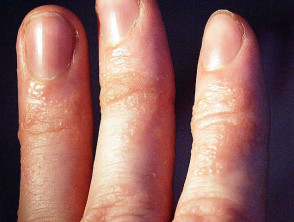
Cheiropompholyx: Galería Visual Detallada
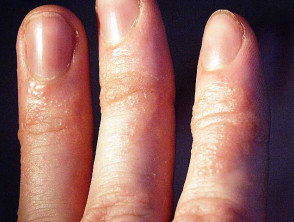
Pomfolice
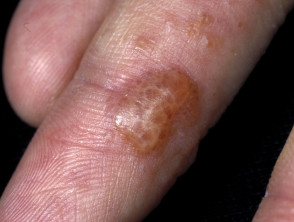
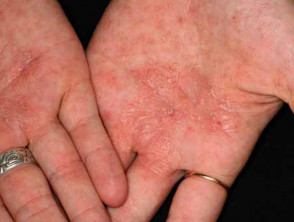
Dermatite cronica della mano
Dermatite cronica della mano

Pomfolice

Pomfolice
Pomfolice
Pomfolice
Pomfolice
Pomfolice
Pomfolice
Understanding Pedopompholyx
Pedopompholyx
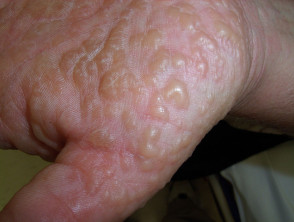
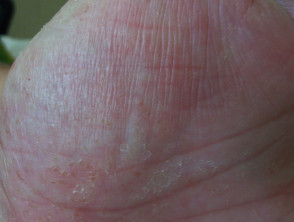
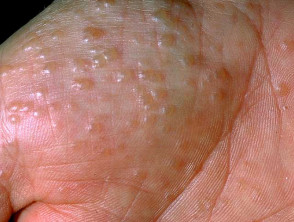
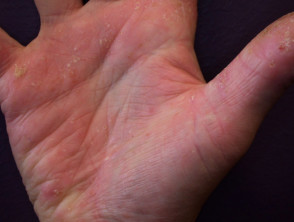
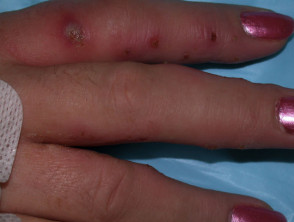
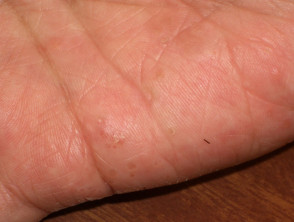
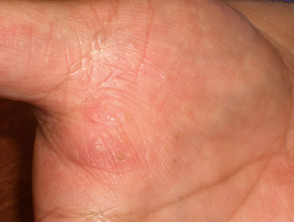
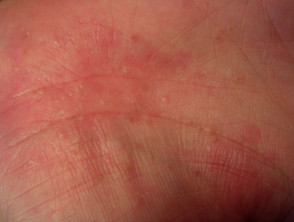
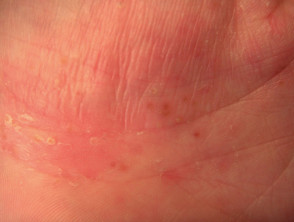
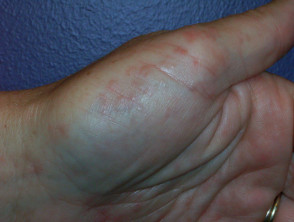
Visualizing Pedopompholyx
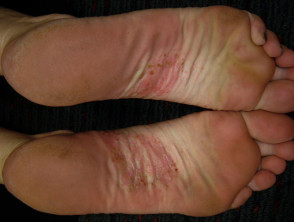
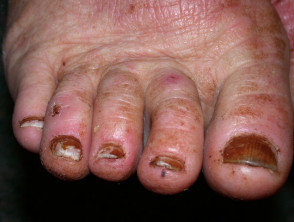
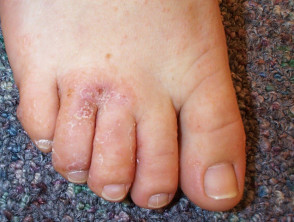
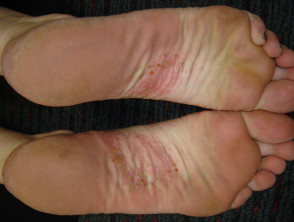
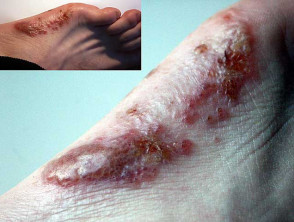
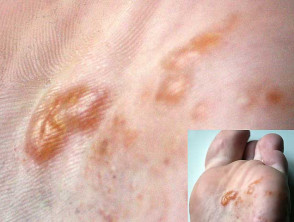
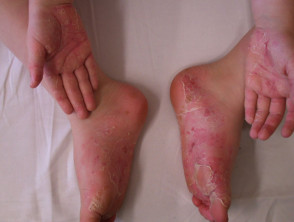
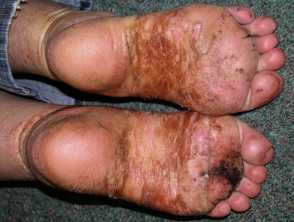
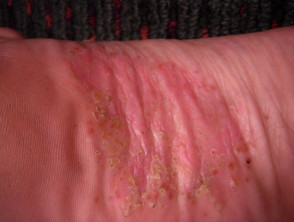
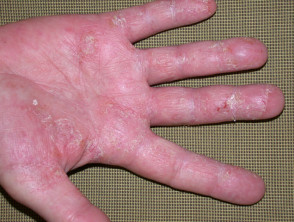
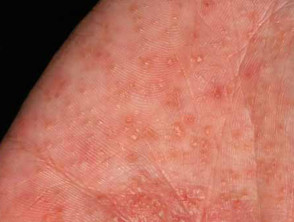
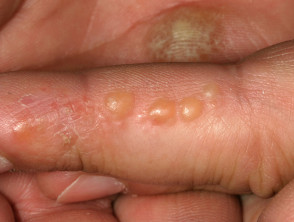
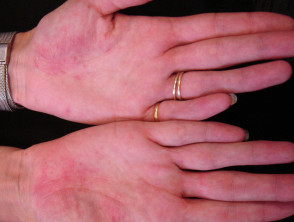
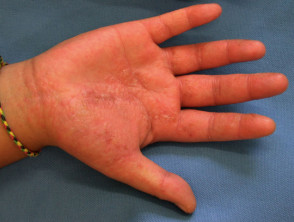
The condition commonly known as Pompholyx, or dyshidrotic eczema, primarily affects the palms of the hands and the soles of the feet. When specifically located on the feet, it is termed Pedopompholyx. This dermatological issue is characterized by the sudden appearance of small, intensely itchy, fluid-filled blisters (vesicles) within the skin layer. Understanding the visual cues is paramount for accurate diagnosis and effective management of flares.
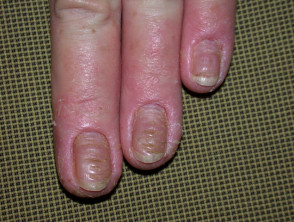
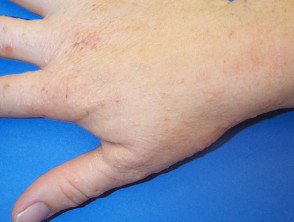
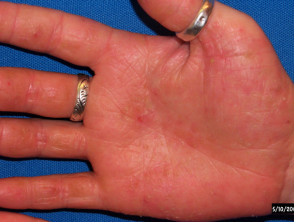
These images collectively illustrate the spectrum of Pompholyx presentation. Notice the tense nature of the blisters which are generally deep-seated beneath the surface layer of the epidermis. While the initial stage involves these small vesicles, a subsequent stage often involves scaling, cracking, and peeling of the skin as the blisters dry out, which can lead to significant discomfort and vulnerability to secondary infections. Proper identification of these stages, as shown in the detailed photographs, is crucial for applying the correct topical treatments and emollients.
For individuals managing Pedopompholyx, vigilance regarding moisture control and avoidance of known environmental triggers—such as heavy sweating or contact with certain metals—is essential to prevent recurrence or worsening of existing lesions. Consult a dermatology specialist when these symptoms appear to ensure a targeted treatment plan.