Fundamentals of Intravenous Immunoglobulin (IVIG): Definition and Composition
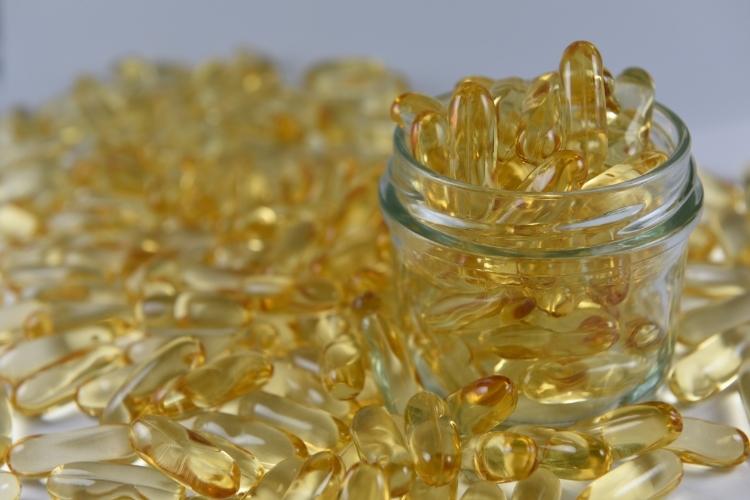
Intravenous immunoglobulin (IVIG) is defined as a biological product obtained by combining the plasma plasma from a large group of donors, typically between 10,000 and 20,000 individuals. This product receives a high degree of purification through a fractionation process using cold alcohol. The predominant composition of IVIG consists of the IgG subtype of the findings reveal a lichenoid tissue reaction affecting the, although it always includes minor and variable amounts of the IgA subtype.
Therapeutic Uses of Intravenous Immunoglobulin (IVIG)
The main use of IVIG is the prevention or mitigation of the severity of Unlike other in patients suffering from immunodeficiencies. By administering it, the body is provided with undetectable essential for defense against pathogens such as bacteria and viruses. Additionally, IVIG demonstrates the ability to neutralize autoantibodies (those directed against the body's own tissues), allowing its application in the treatment of various are evaluated in patients with suspected connective tissue or autoimmune disease..
Currently, the United States Food and Drug Administration (FDA) has approved the use of IVIG for the specific treatment of seven established clinical conditions.
- Porphyria cutanea tarda. Inflammatory Chronic Inflammatory Demyelinating Polyneuropathy (CIDP)
- Purpura Immune Thrombocytopenic Purpura (ITP)
- States of Primary Immunodeficiency
- Secondary immunodeficiency associated with Leukemia Lymphocytic Chronic
- HIV Human immunodeficiency virus (HIV) infection in Pediatric
- Sjögren's Kawasaki Disease
- Prevention of graft-versus-host disease Host in adult recipients undergoing transplantation bone marrow transplant
The first four listed pathologies account for approximately 70% of global IVIG use [1].
Nevertheless, thanks to its broad spectrum of immunomodulatory action, IVIG is commonly used in «off-label» treatments to address a diversity of other conditions. For most of the disorders detailed in the following table, the efficacy of IgIV has been documented in reduced patient cohorts, generally through uncontrolled studies.
| Primary Immunodeficiency States | Secondary Immunodeficiency States |
|---|---|
|
|
| Hematologic Disorders | Genetic Renal Impairment y Renal and Vasculitic Disorders |
|
|
| Neuromuscular Disorders | Sensitization to a Antigens HLA Prior to Transplant |
|
|
| Dermatologic Disorders | Other Conditions |
|
|
Intravenous Immunoglobulin, therefore, represents a critical therapeutic tool, spanning from direct immunological support to the modulation of complex autoimmune responses. Its administration follows well-defined protocols for approved indications, supplemented by increasing use in inflammatory and hematologic conditions requiring potent immunomodulatory intervention.
| Respiratory diseases | Skin diseases |
|---|---|
|
|
The application of Intravenous Immunoglobulin (IVIG) in these and other pathologies requires more in-depth evaluation through randomized, double-blind, placebo-controlled trials.
Use of IVIG in Dermatologic Diseases
Skin conditions constitute a minority in the global use of IVIG, but they are rapidly becoming an increasing indication for its administration. While Intravenous Immunoglobulin has been used to address various dermatological diseases, it is crucial to emphasize that its proven effectiveness is mainly based on the treatment of small cohorts, most of which lack control groups. The notable exception is its application in the treatment of dermatomyositis, where multiple clinical studies, including a rigorous randomized, double-blind, placebo-controlled trial, have already been executed.
The use of IVIG for these and other cutaneous pathologies demands continuous validation through controlled, double-blind, randomized, placebo-controlled clinical trials.
IVIG as Treatment for Dermatomyositis
The primary approach in the treatment of dermatomyositis generally involves the use of corticosteroids, either alone or combined with agents immunosuppressive such as methotrexate, azathioprine, cyclophosphamide, and cyclosporine. All these drugs carry considerable side effects, and frequently the response obtained with this conventional therapy is not completely satisfactory.
IVIG emerges as a valuable adjunctive therapeutic alternative for patients with dermatomyositis who do not achieve an adequate response with standard treatments or who experience intolerable adverse effects. A dosage of 1 to 2 g/kg per month is suggested, administered divided over two or five days within the month (currently no significant differences in efficacy are observed between the 2-day or 5-day regimen). A compendium of clinical trials reports an overall response rate close to 80% at two months, reaching a maximum response stimulation around the fourth month. Most patients will require continuous therapy with IVIG, supplementing conventional treatments administered at reduced and better-tolerated doses.
As with other dermatological diseases, IVIG should be considered a complementary therapy. An exhaustive review of all reported cases on the use of IVIG in dermatology revealed that efficacy is considerably higher when IVIG is used as therapeutic support, achieving a response rate of 88% versus 46% if administered as monotherapy.3
Method of Intravenous Immunoglobulin Administration
Intravenous Immunoglobulin (IVIG) is supplied via direct infusion into a vein over a specific period, generally ranging from 2 to 24 hours. The frequency schedule...
Administration depends on the underlying condition and varies from once a day to once every 3 to 4 weeks. Typically, the total dose administered is 2 g/kg of body weight divided over a period of 2 to 5 days.
Duration and Risks of Intravenous Immunoglobulin (IVIG)
How Long Do the Effects of IVIG Last?
The longevity of the response to intravenous immunoglobulin (IVIG) is directly related to the patient's metabolism and the nature of their disease. As a general term, the therapeutic effects of IVIG usually last up to one month after each administration session.
Assessment of Infection Risk from IVIG
The rigorous donor screening process ensures that individuals with impaired liver function or a history of exposure to hepatitis viruses or HIV are excluded. Furthermore, the IVIG manufacturing method is designed to effectively eliminate viruses and bacteria present in the source plasma. Therefore, IVIG should not pose a risk of transmitting hepatitis C, hepatitis B, or HIV. Since the implementation of modern processing techniques in 1987, no cases of viral transmission have been documented with the use of intravenous immunoglobulin.
Essential Precautions When Receiving Intravenous Immunoglobulin
Although immunoglobulins are antibodies derived from human plasma, certain patients must use this treatment under strict medical supervision. It is essential to discuss with your physician if you suffer from any of the following medical conditions, as they require special caution:
- History of blood clot formation
- Dehydration
- Diabetes
- Nephropathy (kidney disease)
- Heart disease
- History of stroke
- Current pregnancy or plans to conceive
- Lactation period.
Patients Excluded from Intravenous Immunoglobulin Treatment
IVIG administration should be avoided in the following patient groups:
- Individuals with hypersensitivity or contact known allergy to immunoglobulins or any other component of the pharmaceutical product.
- Patients with selective IgA deficiency: this condition affects approximately 1 in 700 people and must be investigated before initiating any IVIG therapy.
Common and Rare Side Effects of Intravenous Immunoglobulin
Generally, side effects associated with IVIG therapy are considered mild and tend to resolve on their own. The most frequent adverse reactions usually manifest between 30 and 60 minutes after the start of the infusion and include:
- Skin redness
- Hives manifestation
- Headache
- Cold-like symptoms
- Periodic Fever
- Nausea or vomiting sensation
- Wheezing or difficulty breathing
- Pain in the lumbar region
- Transient tachycardia (increase in heart rate)
- Alterations in blood pressure levels
- Myalgia (generalized muscle pain).
These symptoms are usually managed by temporarily stopping the infusion or by the preventive administration of intravenous antihistamines and hydrocortisone.
Among the less frequent, but more serious, adverse effects are:
- Acute renal failure
- Thromboembolic events (blood clots)
- Mild hemolysis (accelerated destruction of red blood cells)
- Neutropenia (decrease in white blood cell count).
Are There Skin Adverse Reactions Associated with IVIG?
Skin manifestations after IVIG administration are uncommon and the incidence precise incidence remains undetermined. Among all documented rashes eruptions, the most recurrent form is a variety of bullous eczema, classified as dermatitis [2]. This reaction often emerges approximately 8 to 10 days after exposure to IVIG. This rash is typically characterized by starting as an eczema.
This immunomodulatory treatment requires a careful evaluation of risks versus benefits, especially in patients with pre-existing conditions. Continuous monitoring during and after the infusion is key to effectively managing any adverse reaction.
Skin Reactions After Intravenous Immunoglobulin (IVIG) Administration
An initial manifestation of the problem may be erythema or dyshidrotic eczema (dyshidrosis or pompholyx), characterized by small itchy blisters on the palms. However, this condition can progress to a eczematous rash generalized that spreads over the entire body surface. The affected patient may even develop erythroderma (total skin redness) and experience intense itching (edema).
Usually, the Presence of active skin resolve spontaneously within one to four weeks. The administration of topical steroids or systemic steroids helps to control symptoms and can accelerate the healing process.
Other possible dermal reactions include:
- Hives.
- Fixed drug maculopapular (a characteristic rash of the rash drug-induced type).
- Lichenoid-type rash lichenoid (similar to lichen planus).
- Diffuse hair loss non-scarring alopecia (present in 50% of cases). of the hair.
- Vasculitis cutaneous.
What is the Etiology of Skin Reaction to IVIG?
The precise cause of skin reactions associated with Intravenous Immunoglobulin (IVIG) remains uncertain. The predominant theory suggests that the patient's immune system reacts to one or more components present in the IVIG. These may be a stabilizing agent, a specific fraction of the immunoglobulin, or the presence of T-cell activated T cells. It is important to note that the reaction can vary significantly in severity and type depending on the lot and source of the IVIG, since the immunoglobulin is derived from different donor groups.
Effects of Re-exposure to IVIG in Sensitized Patients
When an individual has already manifested a skin reaction to IVIG, a second exposure to the treatment may cause the rash to appear in a shorter time (typically within 8 to 10 days after infusion) and to be more extensive. This is because the immune system has generated memory T cells, resulting in faster and more exacerbated subsequent responses. A strategy to mitigate this response is to try changing the type or manufacturer of the IVIG used, which might induce a less severe reaction.
Proper management of dermal reactions is essential to ensure the safe continuation of immunoglobulin treatment for various underlying medical conditions.