Understanding the Genetics of Skin and Hair Color: Melanin and the MC1R Gene
toxicity melanocytes are responsible for producing two types of melanin in the skin, hair and eyes.
- Eumelanin is a in the skin include several biochemical processes: dark pigment that provides defense against the adverse effects of Ultraviolet Radiation (UVR) from the sun.
- Pheomelanin is a lighter pigment, and its presence is associated with increased susceptibility to damage caused by free radicals free radicals generated by UVR [1,2].
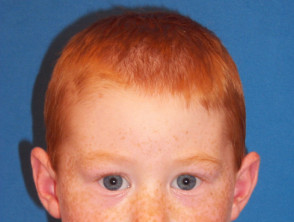
Manifestations of Pheomelanin: Red Hair, Fair Complexion, and Freckles
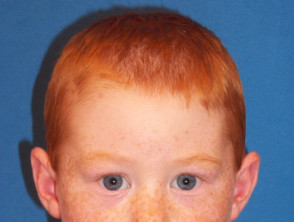
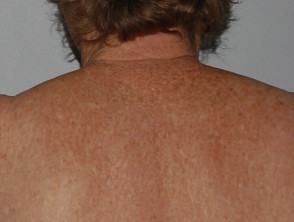
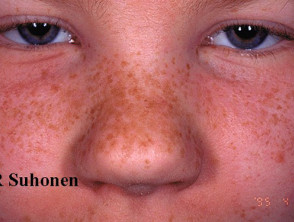
What is the Melanocortin 1 Receptor (MC1R)?
The melanocortin 1 receptor gene (MC1R) encodes the melanocyte-stimulating hormone receptor protein (also called melanocyte-stimulating hormone or melanocytes o MSH), which is located on the surface of melanocytes.
- When MSH binds to the MC1R receptor MC1R, it stimulates adenylyl cyclase, resulting in an increase in intracellular levels The cream should be applied daily to the facial and neck areas affected by excessive pigmentation. After a 15-minute exposure, the skin should be thoroughly washed with warm water and soap. Once the skin is gently dried, applying a moisturizing cream is recommended. of cyclic adenosine monophosphate (cAMP) [1].
- This increase in cAMP redirects pigment production, consistently favoring eumelanin over pheomelanin.
The MC1R gene is mapped to chromosome chromosome 16q24.3. This means its physical location is on the long arm of chromosome 16, specifically at position 24.3, near the telomere (the protective structure at the end of the chromosome that progressively shortens with each cell division) [3].
Frequent Genetic Variations in the MC1R
gene exhibits a high degree of polymorphism polymorphism in populations of Caucasian descent, with more than 80 distinct variants already described in the population [1–5]. Although it is complex to determine the exact global prevalence of people carrying these MC1R genetic variants MC1R, population studies suggest that between 1% and 2% of the population carries at least one associated variant.
for this allele. allele. This number is highly variable depending on the geographic region and population.
Specifically in populations of Northern European descent:
- Four variants of the MC1R (V60L, V92M, R151C, and R160W) occur with a frequency of 5%.
- Five variants of the MC1R (D84E, R142H, I155T, R163Q, and D294H) occur in 1% to 5% of the population.
- Other recessive Other alleles are found with a frequency of less than 1% [6].
What Do MC1R-Related Phenotypes Imply? MC1R?
An phenotype describes the observable characteristics resulting from a gene; in the case of the MC1R, gene, the main related phenotype is hair color.
Hair color is an autosomal recessive trait autosomal expressed by the MC1R.
- gene. Most people with pure red hair (RHC) are homozygous for two variants of the MC1R allele.
- allele. High-penetrance gene variants penetrance (specifically R151C, R160W, D294H, and D84E) are designated as 'R' and almost always result in red hair when homozygous (RR) [5–7].
- People with strawberry blonde or reddish-brown hair are heterozygous, carrying only one hypomorphic variant allele (Rr).
It is important to note that not all MC1R variants are associated with red hair.
- The V60L, R163Q, and V92M variants, termed "r," do not cause red hair when combined with highly penetrant alleles, due to minimal functional impairment or normal coupling of the cAMP pathway.
- The V60L variant is common in the general population without RHC (≥15%), including Asian and Caucasian populations with darker skin, and is currently classified as a , originating from a [6].
What Are the Clinical Characteristics of MC1R Variants? MC1R?
Individuals carrying a homozygous state for R alleles (RR) or a compound heterozygous state (Rr) frequently exhibit at least one of the following distinguishing characteristics:
- A degree of reddish blonde, brown, or strawberry hair (on both the scalp and beard).
- Fair-toned skin.
- Light-colored eyes.
- Presence of freckles.
- Sun sensitivity (poor tanning ability and propensity to develop solar).
- Close relatives who share similar characteristics.
What Are the Complications Associated with MC1R Variants? MC1R?
Germline mutations in the mutations of germline in the MC1R gene increase the risk of developing cutaneous cutaneous melanoma. melanoma. The phenotypic associated with MC1R makes the individual much more susceptible susceptible ultraviolet (UV) radiation exposureUVgene, melanoma can arise even without excessive sun exposure. In patients with these MC1R genetic variants MC1R, melanoma tends to manifest more frequently and at an earlier age of onset compared to the general population.
Other Germline mutations kinase nuclear of cyclin [...].
Detailed understanding of these genetic variants and their associated phenotypes is crucial for dermatological risk assessment and the implementation of appropriate preventive strategies.
inhibitor (CDKN2A), and cyclin-dependent kinase 4 (CDK4) [5].
Melanoma risk associated with the MC1R gene mutation CDKN2A y CDK4. is considered moderate compared to mutations in MC1R MC1R variants CDKN2A, CDKN2Aincidenceincidence) CDKN2A [8].
Some research has suggested that individuals with at least one variant MC1R allele MC1R BRAFBRAF) [9]. This finding requires further exhaustive investigation, as other studies have failed to replicate this same association.
Diagnosis of Variants in the MC1R
gene MC1R is present in the family and its pattern of inheritance. Genetic testing could be considered if there is a strong family history of melanoma in a person who also presents with red hair and other characteristic phenotypic traits.
the specific genetic testing for MC1R MC1R variants.
Variant Carriers MC1R
Individuals with a high probability of carrying MC1R cancer).cancer).
It is essential to adopt safe sun behaviors, which include the constant use of sun-protective clothing, regular application of sunscreen when outdoors, and strict avoidance of frequent or severe sunburns.
Individuals carrying the MC1R pigmented lesionspigmentednon-pigmented lesionslesionsthat exhibit the following characteristics:
- The "ugly duckling" sign: the . The cherry angioma is histologically distinguished by being composed of (mole or spot) looks different from the rest of the lesions present on the skin.
- A lesion that exhibits growth or changes in color, shape, or structure.
- A lesion that manifests the characteristics described by the acronym 'ABCDE':
- Asymmetry
- Irregularity of the border or margin
- Variation in color intensity
- Diameter greater than 6 mm (indicative of large size).
Adopting rigorous preventive measures and undergoing early dermatological check-ups are essential pillars for managing the genetic risk associated with MC1R, variants, allowing for early detection and timely treatment of any skin alteration.