Understanding Lichen Planopilaris: Causes, Symptoms, and Characteristics
Lichen planopilaris (LPP) is a rare inflammatory condition that leads to progressive and permanent hair loss, affecting primarily the scalp. Several clinical variants are identified:, Classic lichen planopilaris, also known as follicular lichen planus.
- Frontal fibrosing alopecia.
- Graham-Little syndrome.
- Who is Affected by Lichen Planopilaris and What Are Its Origins?.
Generally, lichen planopilaris manifests in young adult women, although it can occur across a broader age range, including men. Frequently, it develops concurrently with lichen planus affecting the skin, mucous membranes, and nails.
The exact cause of lichen planopilaris remains unknown.
Although it is a rare disease, LPP constitutes one of the most frequent causes of scarring alopecia on the scalp, resulting in irreversible hair loss.
Clinical Features and Manifestations of Lichen Planopilaris.
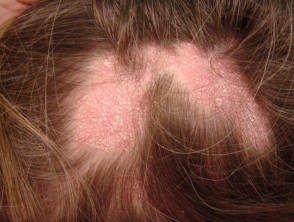
The typical presentation of lichen planopilaris includes smooth, whitish areas of hair loss on the scalp. Empty follicular openings may be observed in the affected areas.
At the margins of these patches, surrounding redness and scaling around each hair follicle are detected, which may feel rough to the touch. Hairs shed easily. This condition is often multifocal, and small areas tend to merge, forming larger irregular patches.
The most frequent locations of involvement include the sides, the frontal region, and the lower back of the scalp.
Although the condition can be asymptomatic, patients may experience the following discomforts:.
Pruritus (itching).
- Pain.
- Tenderness.
- General malaise.
- General malaise.
- Burning sensation.
Lichen planopilaris exhibits slow progression in most cases.
Diffuse alopecia (generalized hair loss) is a less common event in the spectrum of this disease.
Representative Images of Lichen Planopilaris
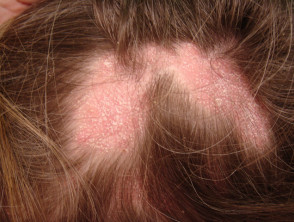
Lichen Planopilaris
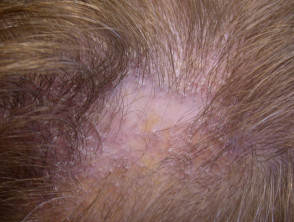
Lichen Planopilaris
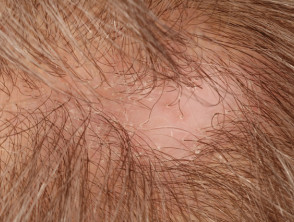
Lichen Planopilaris
Diagnosis and Treatment of Lichen Planopilaris
Diagnostic Methods for Lichen Planopilaris
The suspicion of a diagnosis of lichen planopilaris arises from the clinical presentation and a thorough examination evaluating the mouth, nails, and other skin areas for signs of generalized lichen planus.
Trichoscopy is essential, revealing the absence of follicles, the presence of white dots, perifollicular scaling perifollicular and erythema around the follicles.
For definitive confirmation, a biopsy biopsy of the scalp can be performed. Ideally, this sample should include affected hairs along with the erythema and scale present at the active border of the alopecia area. Lichen planopilaris is classified as a primary lymphocytic folliculitis. folliculitis lymphocytic primary.
However, the biopsy does not always guarantee the diagnosis. If the biopsy is taken from an area of already scarred hair loss and no active inflammation is observed, inflammation diagnostic confirmation may be unfeasible.
Treatment Options for Lichen Planopilaris
It is crucial to start treatment early, as once the hair has been replaced by scar tissue, there is no possibility of follicular recovery. The main therapeutic goal is to halt the progression of the disease and control associated symptoms, although hair loss may continue at a slower rate.
Anti-inflammatory treatment options include: anti-inflammatory odor include:
- ColchicineCorticosteroids: topically. administered topically in a potent formulation, intralesionally, or orally.
- Topical tacrolimus.
- Hydroxychloroquine.
- Topical tacrolimus.
- Acitretin.
- (such as isotretinoin or acitretin).
- Cyclosporine.
- Hydroxychloroquine.
- Tetracycline, with doxycycline being a common example.
Acitretin. efficacy Methotrexate.
Cyclosporine.
- Mycophenolate mofetil.
- Pioglitazone (an oral PPAR-γ agonist).
- The response to these treatments is highly variable, and scientific literature presents conflicting results regarding the.
- efficacy of each agent. For patients, the best expected outcome is to stabilize hair loss and relieve any scalp discomfort.
- In 2003, Mirmirani and colleagues proposed a specific management protocol:.
Establish the diagnosis of lichen planopilaris through clinical evaluation and histopathological confirmation of the scalp.
Document the extent of alopecia, symptomatic severity, and disease activity at each follow-up, which should occur approximately every three months. tyrosine Introduce oral hydroxychloroquine (typically 200 mg twice daily) after performing relevant laboratory tests and an eye review, if the patient exhibits active symptoms, progression of loss, or clinical signs of activity. tumor of necrosis Concomitant use of potent topical corticosteroids and intralesional injections is recommended.TNFIf symptomatic progression persists or clinical signs of activity are observed after 2 to 4 months, switching from hydroxychloroquine to oral cyclosporine (dose of 3 to 5 mg/kg/day) should be considered, strictly following consensus guidelines for its use.
Since 2009, several reports have been published on the off-label use of the anti-diabetic agent pioglitazone to treat lichen planopilaris. Its effectiveness has shown significant benefits, with a reduction in symptoms, inflammation, and progression in 50% to 70% of patients. However, it may cause side effects such as ankle edema and weight gain.
The efficacy of Adalimumab, a transplantation tumor necrosis factor alpha (TNF.