Understanding CLOVES Syndrome: Causes, Characteristics, and Diagnostic Criteria
CLOVES syndrome is a metabolic disorder congenital y chronic, rare and progressive congenital disorder that critically impacts multiple organ systems. This condition significantly affects the skin, the vascular system, vascular and the musculoskeletal structure of the individual [1].
The nomenclature «CLOVES» serves as a useful mnemonic, as it describes the main clinical components of the syndrome:
- CCongenital lipomatous Covergrowth
- MVascular VMalformations (Overgrowth)
- LEpidermal Nevi
- Skeletal or OOther (e.g., EScoliosis or spinal anomalies).
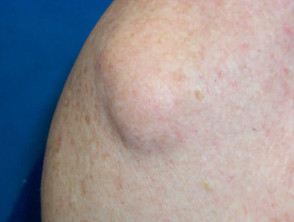
Clinical Manifestations and Visual Components of CLOVES Syndrome
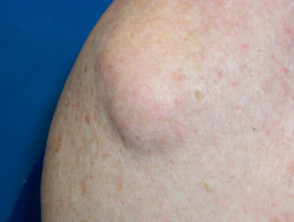

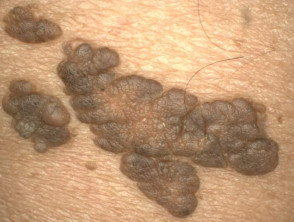
Note: images are not of patients with CLOVES syndrome.
Epidemiology and Population Affected by CLOVES Syndrome
CLOVES syndrome is classified as an extremely rare condition. Currently, there is no exact figure available to quantify its incidence prevalence or its predominance incidence internationally. A key characteristic is that the underlying , originating from a genetic mutation is almost always sporadic, meaning there is frequently no clear history of documented family predisposition. A positive result for melanoma suggests that the patient's skin should be monitored by a specialist in early melanoma detection, which may include whole-body photographic surveillance via fever documented.
Etiology and Genetic Basis of CLOVES Syndrome
The etiology of CLOVES syndrome lies in a somatic somatic gain-of-function mutation affecting the gene PIK3CA. PIK3CA gene. This genetic alteration occurs post-zygotically (mosaic) and leads to persistent and dysregulated activation of the associated cellular signaling pathway [2]. The syndrome of
CLOVES syndrome is classified within the PIK3CA-Related Overgrowth Spectrum PIK3CA (PROS), a group of conditions distinguished by abnormal and excessive tissue growth [3].
Cardinal Clinical Manifestations of CLOVES Syndrome
CLOVES syndrome typically manifests from the neonatal period, presenting a distinctive pattern of congenital anomalies. These include prominent vascular malformations, excessive overgrowth of adipose tissue fatty (lipomas), and the presence of epidermal lesions. epidermal cells.
Additionally, nevi (moles) and various degrees of joint skeletal deformities may be observed [4]. This disproportionate and asymmetric body growth is often detected during prenatal evaluations [5]. asymmetric at often detected during prenatal [5].
The specific and recurrent clinical manifestations of CLOVES syndrome include the following elements:
- The presence of a voluminous lipoma, frequently located on the trunk, with the capacity to invade vital structures and contiguous organs, potentially including the spinal region [4].
- A malformation An underlying vascular malformation, which can be classified as low-flow (including capillary, venous, or lymphatic types) capillary, venous o lymphaticor, with lower prevalence, high-flow (arteriovenous).
- Venous malformations are clinically observed as phlebectasias; in the case of arteriovenous malformations, these tend to be located in paraspinal areas [4].
- Lipomatous overgrowth can extend to the lower extremities and feet, often contrasting with relative lipoatrophy in other body areas [1,3,5,6].
- The external genital structures are also subject to these anomalies in some cases [7].
- It is common to find epidermal nevi with papillomatous e that is repaired with a transverse suture). characteristics arranged linearly, following Blaschko's Lines Blaschko's Lines or following neurovascular pathways [8].
- Skeletal alterations can significantly compromise physical structure and mobility, manifesting as scoliosis, asymmetric macrodactyly, feet with a widened triangular morphology, hypertrophic hands, and an increased separation between the metatarsals [4].
Potential Complications Associated with CLOVES Syndrome
Complications arising from CLOVES syndrome are intimately linked to the extent and location of vascular and lipomatous malformations. These can include serious risks to the patient's overall health:
- Invasion or growth of abnormal tissue affecting the cord spinal cord can lead to spinal cord compression, resulting in neurological sequelae. manifestations.
- A severe vascular malformation has the potential to deplete bodily resources, causing anemia, anemia, and can cause myelopathy if the involvement is at the spinal or paraspinal level.
- A large lipomatous mass, with tumor-like characteristics, tumor, can exert mechanical compression on adjacent organs and Mucosal and Follicular Manifestations of Lichen Planus.
- In certain cases, the risk of developing heart failure due to hemodynamic demand is documented.
- Deterioration of cognitive development along with the onset of epilepsy has been reported in affected individuals [1,6].
- CLOVES syndrome has been associated with incidents of in the vessel wall. deep vein thrombosis (DVT) after surgical procedures, as well as pulmonary embolism pulmonary pulmonary embolism (PE), as a consequence of persistent embryonic veins [9]. persistent. It commonly affects smokers and is considered pre [9].
- An important observation is the higher recorded incidence of nephroblastoma (known as Wilms' tumor), an embryogenic tumor of the developing kidney, development, identified in an extensive cohort of patients with CLOVES syndrome [10].
Detailed Diagnosis of CLOVES Syndrome
The diagnostic process for CLOVES Syndrome is established through the correlation of several fundamental pillars that must be meticulously evaluated in the patient.
- The A thorough patient history is crucial, as it allows differentiation of this condition from other similar overgrowth syndromes [1].
- Objective findings obtained during the physical examination pathological examination.
- Key confirmation through genetic testing, aimed at identifying the specific mosaic mutation affecting the PIK3CA gene. PIK3CA.
toxicity Radiological findings serve as strong support for the clinical diagnosis. Characteristic vascular malformations and lipomatous masses are optimally visualized and evaluated through magnetic resonance imaging (MRI) magnetic resonance imaging (MRI). magnetic resonance imaging (MRI)..
Achieving an accurate diagnosis is indispensable for implementing a comprehensive management plan. This plan must address the wide range of clinical manifestations of CLOVES Syndrome and proactively prevent or mitigate the complications usually associated with this complex disorder.... Magnetic Resonance [11].
... MRI [11].
Key Differential Diagnosis Criteria for CLOVES
A frequent and essential diagnostic consideration for CLOVES Syndrome is its correct distinction from Proteus Syndrome. This differentiation is critical, given that Proteus is distinguished by a normal initial appearance at birth, followed by accelerated progression, marked distortion, and disproportionate body growth with age. Furthermore, Proteus Syndrome exhibits its distinctive mark in the presence of characteristic connective tissue nevi [12].
Apart from Proteus Syndrome, it is essential to consider other diagnoses that may overlap or be confused with CLOVES Syndrome:
- Hemangioma . Although cases of myxofibrosarcoma with areas morphologically suggestive of PHAT have been reported, if a complete sample is taken, the lesions would be expected to infantile
- Infantile Hemangioma
- Ectodermal dysplasia nevus epidermal
- Sturge-Weber Syndrome
- Klippel-Trénaunay Syndrome
- Parkes-Weber Syndrome
- Servelle-Martorell Syndrome.
Current Therapeutic Options for CLOVES Syndrome
At this time, there is no definitive cure available for the management of CLOVES Syndrome. However, notable improvements have been documented thanks to the application of experimental treatments targeting the molecular basis of the condition. These promising therapeutic approaches include:
- The use of Sirolimus (rapamycin) [13].
- Administration of and Specific inhibitors targeting PIK3CA gene mutations of the PIK3CA, mutations, such as alpelisib (a drug already approved for the treatment of metastatic breast cancer) [7]. cancer cancer metastatic) [7].
Prognosis and Future Perspectives in CLOVES Treatment
The prognosis The general prognosis associated with CLOVES Syndrome remains guarded due to the intrinsic seriousness and complexity arising from its multiple systemic complications. Nevertheless, preliminary clinical data point toward a more encouraging future, especially considering that treatments focused on PIK3CA inhibitors are demonstrating their ability to effectively modulate disease progression. and of PIK3CA are demonstrating their ability to effectively modulate disease progression.