
Understanding Sodium Stibogluconate: Uses and Mechanism of Action
Sodium stibogluconate is a fundamental pharmaceutical compound used in the treatment of various forms of leishmaniasis, a parasitic infection transmitted by the bite of sandflies. Specifically, it is used against cutaneous leishmaniasis, cutaneous, visceral y mucosa. This medication is also known by its chemical nomenclature as antimony D-gluconate and is marketed under the brand name Pentostam®.
In addition to its primary role, sodium stibogluconate is occasionally used as a treatment for acute myeloid leukemia.
It is important to note that sodium stibogluconate is not approved by the U.S. Food and Drug Administration (FDA) nor is it available for use in New Zealand. Its application is significantly more common in tropical regions and countries endemic to the disease.
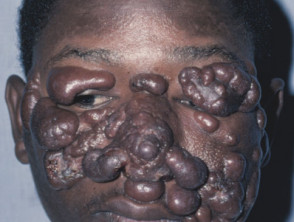
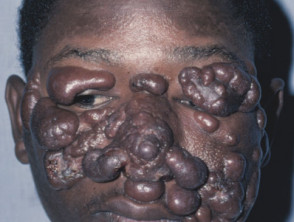
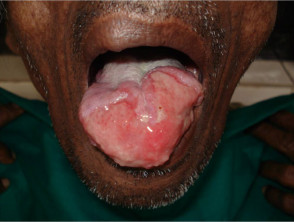
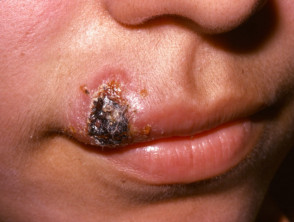
Representative Images of Leishmaniasis
Mechanism of Action of Sodium Stibogluconate
Sodium stibogluconate belongs to the family of drugs known as pentavalent antimonials. Although its exact mechanism of action is not completely elucidated, it is theorized to work by interacting with thiol groups (–SH) present in the parasite. This interaction appears to inhibit essential metabolic processes, specifically the formation of adenosine triphosphate (ATP) and guanosine triphosphate (GTP) within the infectious organism.
Regarding its pharmacokinetics, sodium stibogluconate is primarily excreted through the renal system and has a half-life of approximately 6 hours, which dictates the need for regular administration.
Sodium Stibogluconate Administration Guidelines
Standard treatment with sodium stibogluconate generally involves daily administration via intravenous or intramuscular injection. The recommended dose is 20 mg/kg/day, with a maximum limit of 850 mg, and the treatment course usually extends between 21 and 28 days, depending on the clinical response.
For limited cases of cutaneous leishmaniasis presenting with a single . The cherry angioma is histologically distinguished by being composed of or a small number of lesions, intralesional injections may be considered. However, this technique is not appropriate for conditions localized in delicate areas such as the nose, ears, fingers, eyelids, lips, or genitals. Intradermal injections intradermal for cutaneous lesions should be preceded by the application of a local anesthetic local or by means of cryotherapy. The dosage for this method is 0.1 ml per square centimeter of lesion (administering between 0.2 to 5 ml in a maximum of 4 or 5 sites), repeated every 3 to 7 days until complete resolution of the lesion is achieved.
Side Effects Associated with Sodium Stibogluconate
The side effects of sodium stibogluconate are an important consideration in its clinical management, and may include...
Risks and Adverse Effects of Sodium Stibogluconate
The risks associated with the use of sodium stibogluconate can be considerable, manifesting with greater probability in the elderly patient population. Among the most common side effects are:
- Gastrointestinal manifestations (such as nausea and diarrhea).
- Musculoskeletal discomfort, including **myalgia** and **arthralgia**.
- Generalized feeling of fatigue.
- Development of **pancreatitis**.
- Possible liver damage.
- In rare cases, renal or cardiac involvement.
- Bone marrow suppression.
Elevated levels of **serum amylase** are frequently observed after the administration of sodium stibogluconate; these levels usually normalize quickly with **cessation** of treatment. Although the appearance of symptoms is common, clinical pancreatitis rarely reaches severity, and fatal cases are extremely infrequent.
Likewise, acute hepatocellular damage and the consequent loss of functional metabolic capacity of the liver reverse quickly once therapy with sodium stibogluconate is interrupted.
Required Clinical Monitoring During Treatment
To ensure patient safety, the following tests should be performed before starting and weekly during the sodium stibogluconate treatment cycle:
- Complete blood count: The medication may induce **transient thrombocytopenia** and **leukopenia**.
- Liver function tests: It is crucial to monitor serum **alanine aminotransferase** (**ALT**) and **aspartate aminotransferase** (**AST**). Administration should be suspended if ALT or AST exceed between 3 and 4 times the upper limit of normal.
- Serum amylase and lipase: Suspend treatment if amylase exceeds 5 times the upper limit or if lipase exceeds 12 times that limit.
- **Renal** function tests: Evaluation of serum urea and creatinine.
- Electrocardiogram (**ECG**): Discontinue treatment if T-wave inversion or QT interval prolongation is detected.
When administering sodium stibogluconate by the intralesional route, localized adverse effects may include:
- Pain and inflammation.
- Localized **allergic reaction**.
- **Pruritus**.
- Transient **erythema**.
- **Edema**.
What are the **contraindications** for sodium stibogluconate?
There are several clinical situations in which the use of sodium stibogluconate is contraindicated. These include, but are not limited to:
- Presence of heart disease, especially some form of **arrhythmia**.
- Suffering from renal insufficiency or severe pre-existing liver disease.
- Cases of severe malnutrition.
- Advanced infection with the human immunodeficiency virus (**HIV**).
- Having previously experienced an **allergic reaction** to sodium stibogluconate itself.
- The gestational period (pregnancy).