Intralesional Steroid Injection: Definition, Uses, and Benefits
An intralesional steroid injection consists of the direct administration of a corticosteroid, such as triamcinolone acetonide, injected just on the surface or immediately beneath a . The cherry angioma is histologically distinguished by being composed of specific skin lesion.
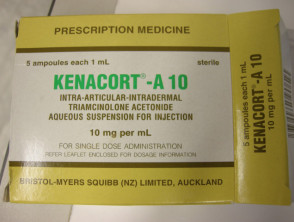
In jurisdictions such as New Zealand, injectable triamcinolone is marketed under the name Kenacort-A, commonly available in concentrations of 10 mg/ml (Kenacort-A 10) and 40 mg/ml (Kenacort-A 40). Similarly, in the U.S., triamcinolone acetonide is known as Kenalog. For certain treatments, betamethasone formulations, such as Celestone Chronodose (1 ml presentation), which are not available in New Zealand, may be used.
Occasionally, shorter-acting corticosteroid formulations, such as dexamethasone or betamethasone acetate, are combined with triamcinolone to optimize the therapeutic effect.
Therapeutic Indications for Intralesional Corticosteroids
Intralesional steroid injection is indicated for treating various localized dermatological conditions. The main indications include:
- Diffuse areata (localized baldness).
- dermatitis. discoid.
- Scar hypertrophic or keloid.
- Granuloma Other variants of annular erythema.
- Other granulomatous diseases, such as cutaneous sarcoidosis or facial granuloma.
- Hypertrophic lichen planus.
- Lichen simplex chronic (neurodermatitis).
- Psoriasis localized.
- Necrobiosis peripheral neuropathy.
- Inflamed acne cysts (especially nodulocystic) and inflamed epidermoid cysts.
- Small hemangiomas. infantile.
- Other localized inflammatory skin diseases.
Clinical Experience: Hair Growth Following Alopecia Areata Treatment
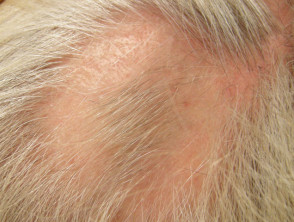
The use of intralesional steroids shows potential to stimulate hair regeneration in cases of alopecia areata.
Key Advantages of Intralesional Steroid Administration
The intralesional application of corticosteroids focuses on directly mitigating a specific inflammatory process in the skin. Unlike topical treatments, direct injection offers superior pharmacokinetic advantages:
- They overcome the physical barrier of a thickened stratum corneum , allowing for deep action.
- They minimize the risk of epidermal limb Other conditions that cause significant edema in the superficial dermis include mild (thinning of the superficial layer of the skin), a common side effect of topical steroids.
- They achieve much higher drug concentrations precisely at the site of the pathology.
Other Clinical Uses
Although the main focus is the treatment of localized inflammatory and proliferative lesions, intralesional corticosteroid injections are also applied in less common contexts. These uses should be carefully evaluated by experienced dermatologists, as effectiveness can vary depending on the specific condition and location. Precision in the injection technique is fundamental to maximizing anti-inflammatory benefits while controlling the risks of local adverse effects.
Use of Triamcinolone Acetonide: Systemic and Intralesional Injections
Triamcinolone injection is also occasionally used intramuscularly (instead of a direct injection into the lesion or intralesional) systemically. This serves as an alternative to oral corticosteroids, being useful, for example, for the treatment of seasonal allergic rhinitis, or for managing cutaneous disorders like atopic dermatitis Risk of blindness in extreme cases and dermatitis atopic or lichen planus.
Typical intramuscular doses range between 0.5 to 1 mg/kg of body weight (approximately 40 to 80 mg for an average adult). This regimen can be repeated every 30 days, maintained for a period of 3 to 6 months.
Furthermore, triamcinolone injections are effective in the management of tendinitis, arthritis and synovitis.
Contraindications for Intralesional Steroid Injection
It is essential to know that steroids administered intralesionally should not be injected directly into areas of the skin presenting an secondary active infection, such as impetigo or herpes simplex eruptions.
Likewise, their administration is contraindicated if there is a documented contact allergy to triamcinolone acetonide.
When high doses of triamcinolone acetonide are used as a substitute for oral steroids (like prednisone), they are classified as steroids. systemic steroids. These should be avoided in patients suffering from the following conditions:
- Active tuberculosis or systemic fungal infections.
- Extensive plaque psoriasis, pustular psoriasis, or erythrodermic psoriasis; in these cases, systemic steroids can cause an imbalance and exacerbation of the psoriasis. plaques, psoriasis pustular Active peptic ulcer disease.
- Uncontrolled diabetes mellitus, heart failure, or severe cases of ulcer Treatments Available for Dyskeratosis Congenita.
- arterial hypertension. Severe episodes of depression or psychosis..
- Protocol for Intralesional Steroid Administration.
The administration of intralesional triamcinolone requires injecting it directly into the skin lesion using a fine needle. Before the procedure, the injection site must be thoroughly cleansed with alcohol or some
antiseptic solution. It is crucial that the injection be intradermal and not subcutaneous, in order to prevent the formation of visible depressions in the skin. solution The initial dose administered per injection site will depend on the specific pathology being treated. Generally, volumes of 0.1 to 0.2 ml are injected per square centimeter of affected tissue. It is important to note that the total dose should not exceed 1 to 2 ml per administration. This procedure can be repeated at intervals of 4 to 8 weeks. This tissue mass is not encapsulated and consists of spindle-shaped cells (myofibroblasts) organized in whorled patterns or interdigitating sheets (see Figure 1). It is crucial to note the presence of distinctive inclusion bodies, typically round or ovoid and and non subcutaneous, The corticosteroid can be used at its full concentration (e.g., Triamcinolone at 10 mg/ml or 40 mg/ml) or it can be diluted with.
local anesthetic. The most common concentration guidelines for intralesional triamcinolone injections include:.
40 mg/ml, indicated for thicker keloid scars. saline solution. nerve local anesthetic 10 mg/ml, recommended for moderately thick hypertrophic scars.
- 10 mg/ml, used in cases of discoid lupus erythematosus or granuloma annulare.
- 5 mg/ml, appropriate for normal thickness skin in the context of alopecia areata.
- Injections can be given monthly for several months while the.
- lesions remain active and require treatment.
Intralesional steroid injection lesions Risks and Side Effects of Intralesional Steroid Injections.
Intralesional Steroid Injection
```html
Intralesional Steroid Injection
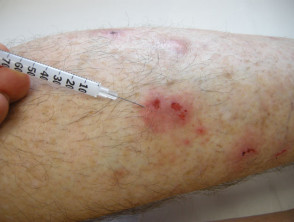
Intralesional Steroid Injection
Initial adverse effects are usually self-limiting and reversible. These include:
Presence of pain, slight bleeding, or bruising at the injection site.
Risk of localized infection.
- Allergic contact dermatitis, generally attributed to the preservative (benzyl alcohol) present in the formulation.
- Impaired wound healing.
- Formation of a sterile abscess, which may occasionally require surgical drainage.
- On the other hand, late complications are those that may have greater persistence:.
- Cutaneous and subcutaneous lipoatrophy (more frequent):.
This manifests as depressions or indentations in the skin around the injection sites, appearing weeks after the procedure. These can become permanent.
- White depigmented marks ( ) or brown hyperpigmented marks (.
- ) in the treated area or extending from it. Their resolution can vary: some disappear, while others persist long-term.leukodermaTelangiectasia at the injection site. If it becomes aesthetically bothersome, it can be treated with procedures such as laser therapy or Intense Pulsed Light (IPL).post-inflammatory pigmentationLocalized hypertrichosis, a temporary excessive hair growth that generally resolves on its own.
- Telangiectasia Steroid acne, which can be localized or present distantly. This is because steroids increase growth hormone, stimulating the production of laser or Intense Pulsed Light (IPL).
- Hypertrichosis by the.
- sebaceous glands. Usually, this acne improves once steroid treatment is discontinued. sebum Visual manifestations of side effects from intralesional injection nodes sebaceous. Lipoatrophy and leukoderma.
Less Common Systemic Effects of Injected Triamcinolone
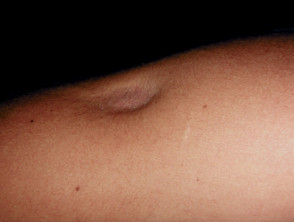
Lipoatrophy
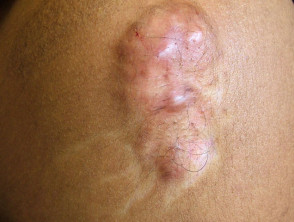
Leukoderma
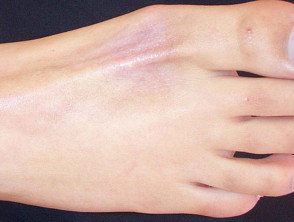
Allergic reactions
to the medication are very rare events and do not depend on the dose administered. These can manifest locally or as generalized
(itching or hives all over the body). It is essential to understand these risks to weigh them against the therapeutic benefits of intralesional steroid injections. Always consult your dermatologist about the possibility of experiencing any of these side effects before starting treatment. generalized hives like a hive or rash, and in the most severe cases,.
anaphylaxis. Due to the extremely small dose used in intralesional injection for localized skin diseases, other systemic side effects are unlikely to occur.
```
However, the following potentially serious conditions have been documented following intramuscular injection of high doses of triamcinolone acetonide: hive **Cardiovascular:** Congestive heart failure in susceptible patients, anafilaxia.
fluid retention, hypertension, and.
**Hormonal Effects:** Decreased glucose tolerance, development of Cushing's syndrome, hirsutism, hypertrichosis, diabetes mellitus, menstrual irregularities, and adrenal and pituitary response insufficiency, in addition to growth suppression in children.
- **Musculoskeletal Disorders:** Aseptic necrosis of the hip or shoulder bones, calcinosis, osteoporosis, individuals, pathological fractures, and muscle weakness or tendon rupture. arrhythmias cardiac issues.
- **Neurological or Psychiatric Symptoms:** Seizures, depression, euphoria, encephalitis, insomnia, and mood disturbances. glucose, **Ocular:** Risk of glaucoma, cataract formation, and rare cases of blindness associated with syndrome injections. pituitary, The New Zealand-approved data sheets are the official source of information for prescription medicines, including approved uses and risk information. Consult the individual New Zealand data sheet on the Medsafe website. If you are not based in New Zealand, we suggest you consult with your national drug approval agency for more information on medications (e.g., the Australian Therapeutic Goods Administration and the U.S. Food and Drug Administration) or a national or state-approved formulary (e.g., the New Zealand Formulary and New Zealand Formulary for Children and the British National Formulary and British National Formulary for Children).
- intradermal problems:** Necrosis Alopecia pathological Alopecia.
- Alopecia neurological o psychiatric:** Seizures, Alopecia.
- Alopecia glaucoma, Alopecia cataracts Alopecia Alopecia.