
Chlamydial Genitourinary Infection: Definition and Main Risks
The genitourinary infection caused by chlamydia, medically known as chlamydiosis, is one of the most prevalent Sexually Transmitted Infections (STIs). This condition is caused by the bacterium Chlamydia trachomatis, specifically those serotypes classified from D to K. Commonly, this condition is simply called ‘chlamydia’ to simplify reference.
It is essential to distinguish this etiology from that caused by serotypes L1 to L3 of C. trachomatis, which are the causative agents of lymphogranuloma venereum and are managed in a different clinical context.
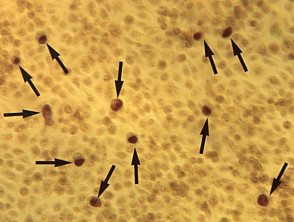
Visualization of Chlamydia Stain
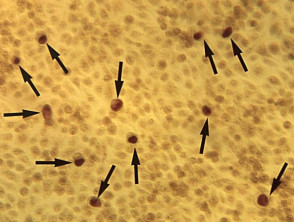
Geimsa CDC2 Chlamydia Stain
Population at Highest Risk of Acquiring Genitourinary Chlamydiosis
Genitourinary chlamydia is one of the STIs with the highest reported incidence globally.
Key factors that significantly increase the probability of contracting this bacterial infection include:
- Being over 25 years of age.
- Having multiple sexual partners or having had a new sexual partner recently.
- Inadequate use or complete absence of barrier protection methods, such as male or female condoms.
Clinical Manifestations of Genitourinary Chlamydiosis
A chlamydial genitourinary infection may present with minimal symptoms or, more commonly, go completely unnoticed. That is, this condition remains asymptomatic asymptomatic in approximately 70% of affected women and in nearly 50% of infected men.
When men experience signs and symptoms related to genitourinary chlamydia, the most common include:
- Discharge Unusual discharge from the urethra. urethra.
- Burning sensation or urethral irritation..
- Dysuria, which is defined as pain or discomfort during urination.
- Appearance of pain or swelling in one or both testicles.
In the case of women, the signs and symptoms most frequently associated with chlamydia infection in the genitourinary tract are:
- Discharge vaginal Vaginal discharge altered in amount or appearance.
- Painful urination.
- Vaginal bleeding. vaginal Irregular vaginal bleeding, such as intermenstrual or post-coital bleeding. sex.
- Tenderness or discomfort in the lower abdominal region.
- Experiencing painful sex, clinically known as Dyspareunia.
Potential Complications of Genitourinary Chlamydia Infection
Genitourinary chlamydiosis has the potential to progress to sequelae that vary in severity and duration, especially if the person suffers repeated episodes of these Unlike other without receiving timely and adequate antibiotic treatment.
Among the possible serious sequelae derived from untreated chlamydia infection...
Complications and Diagnosis of Genitourinary Chlamydia Infection
Potential complications of genitourinary chlamydia infection present in men include:
- Chlamydial infection prolapse, often asymptomatic, which primarily affects men who have sex with men (MSM).
- Epididymoorchitis.
- Development of arthritis orchitis of sexual origin.
- Perihepatitis (a complication that is uncommon in male patients).
- Development of a syndrome Development of chronic chronic.
- Conjunctivitis pain syndrome.
Understanding the symptoms and potential complications of chlamydia is fundamental for seeking timely diagnosis and treatment, thus preventing serious long-term sequelae associated with this common bacterial STI.
- Balanitis Balanitis (a rash affecting the glans penis).
- Sterility.
On the other hand, the possible sequelae of genitourinary chlamydia infection in women include:
- Rectal chlamydia infection, resulting from anal sexual practices..
- Disease inflammatory disease.
- Tubal infertility.
- Pregnancy ectopic.
- Sexually acquired reactive arthritis.
- Sexually acquired conjunctivitis.
- Perihepatitis syndrome (known as Fitz-Hugh-Curtis syndrome).
- Chronic pelvic pain.
- A distinctive triad composed of arthropathy , conjunctivitis, and urethritis. urethritis.
Mother-to-child transmission can lead to complications such as chlamydial conjunctivitis or pneumonia in newborns.
Diagnosis of Genitourinary Chlamydia Infection and Clinical Evidence
If a patient presents with symptoms of genitourinary chlamydia infection, the physical exam may reveal findings such as abnormal urethral or vaginal discharge, cervicitis (inflammation of the cervix) and bleeding after contact. Tenderness may also be observed during bimanual examination (indicating pain upon mobilization of the cervix cervical and the pelvic , invasive extension into the deep structures), along with possible rectal discharge. Since these signs are not exclusive and may coincide with other STIs, it is essential to use laboratory tests to confirm the chlamydia diagnosis.
In men with suspected genitourinary chlamydia infection, the most appropriate clinical samples for analysis are:
- The first morning urine (or any sample voided at least one hour before collection).
- A urethral swab (this type of sample offers similar or even superior sensitivity to urine).
For women with suspected genitourinary chlamydia infection, the recommended clinical samples are:
- A vulvovaginal swab vulvovaginal: collected directly by healthcare personnel or self-administered by the patient; this option provides the highest sensitivity (range of 96% to 98%).
- An endocervical swab: taken from inside the cervix, ideally after the vulvovaginal swab during the speculum exam.
Generally, the urine sample is not the preferred option in women, as the bacterial load Acute bacterial detected in the urine is considerably lower than that observed in men.
Collection of Clinical Samples at Extragenital Sites
Both medical personnel and patients themselves are trained to collect rectal and pharyngeal swabs. If rectal symptoms suggesting a chlamydia infection are present, a proctoscopy is advised to obtain a direct examination of the rectum.
Diagnostic Investigations for Chlamydia Detection
The testing methodologies used to identify genitourinary chlamydia infection include:
- Nucleic Acid Amplification Tests (NAAT) for chlamydia: These NAATs are often combined with tests to identify other relevant pathogens such as Neisseria gonorrhoeae (the cause of gonorrhea) and Trichomonas vaginalis (trichomoniasis).
- Enzyme Immunoassays (EIA).
Rapid point-of-care tests using NAAT or EIA are not part of the routine protocol. Chlamydia cultures are assays that are not widely accessible, show limited sensitivity (estimated between 60% and 80%), and therefore are not used for diagnosing infections in the throat or rectum.
By identifying the manifestations and complications of chlamydia early through rigorous diagnosis using validated molecular methods, effective treatment is facilitated, and the risk of chronic sequelae in the sexual and reproductive health of those affected is significantly mitigated.
Treatments and Prevention of Genitourinary Chlamydia Infection
Counseling on treatment for genitourinary chlamydia infection is essential to ensure the eradication of the bacteria and prevent transmission. Patients must strictly abstain from any type of sexual activity for a minimum period of 7 days after completing the entire prescribed course of therapy.
Standard Treatment for Uncomplicated Genital Chlamydia Infection
The recommended treatment protocol for Chlamydia trachomatis infection localized in the urogenital tract without evidence of complications includes the following pharmacological options:
- Doxycycline: It is administered at a dose of 100 mg twice daily for a period of 7 days. This regimen achieves cure rates around 98%.
- Azithromycin: It is used as a single 1-gram dose, presenting proven curative efficacy ranging between 92% and 97%.
Management of Uncomplicated Rectal Chlamydia Infection
For a diagnosis of rectal chlamydia infection that has not led to complications, the suggested management guidelines are:
- Doxycycline: The same regimen of 100 mg, twice daily, for 7 consecutive days.
- Azithromycin: A single 1-gram dose. In this specific case, a follow-up test of cure is required.
Protocol for Asymptomatic Infections at Extragenital Sites
When chlamydia infection is detected in extragenital locations without presenting symptoms, the base treatment is usually doxycycline, administered at 100 mg twice daily for a full week.
It is vital to recognize the specific contraindications for these drugs. Doxycycline, for example, is strictly contraindicated. contraindicated during any stage of pregnancy. Likewise, the use of Azithromycin is monitored due to the potential risk of QT interval prolongation on the electrocardiogram.
Approach to Proctitis, Epididymo-orchitis, and Pelvic Inflammatory Disease
If the chlamydia infection progresses causing more severe conditions such as proctitis, epididymo-orchitis, or Pelvic Inflammatory Disease (PID), initial treatment should be empirical and broader. This therapeutic regimen seeks to cover other common etiologies, such as gonorrhea, while awaiting definitive diagnostic results, requiring a longer course of antimicrobial therapy. antimicrobial susceptibility.
In these complex clinical situations, the immediate implementation of supportive measures and close patient monitoring are essential to ensure an adequate response to the selected management.
Additional Considerations in the Comprehensive Management of Chlamydia
Timely treatment must be accompanied by a thorough sexual health assessment. It is essential to identify and treat any other Sexually Transmitted Infection (STI) that may be present concomitantly. This involves informing, treating, and testing all recent sexual partners of the patient.
It is essential to institute a test of cure via NAAT (Nucleic Acid Amplification Test) if the treated person was pregnant or if the initial infection was rectal. This test should be performed at least 4 weeks after completing medication. If the test is performed prematurely, there is a risk of a false-positive result due to the persistence of DNA chlamydial DNA. Furthermore, given the high reinfection rate, retesting is strongly advised at 3 months.
How is Genitourinary Chlamydia Infection Prevented?
The most effective strategy to reduce the risk of acquiring chlamydia infection, like other STIs, lies in the consistent adoption of safe sexual practices. This includes limiting the number of sexual partners and the correct and constant use of barrier methods such as condoms.
If you suspect that you or your partner may have an infection, it is crucial to immediately cease sexual activity and seek medical attention. Contact your primary care physician or visit a sexual health clinic to receive an accurate diagnosis and the necessary effective treatment, thus ensuring your recovery and that of those around you.