| Culinary and Ornamental Uses: |
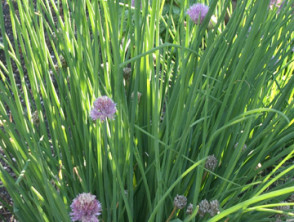
There are over 500 varieties within the *Allium* genus; some are strictly ornamental, while others are edible. Chives are frequently used as a garnish to enhance the presentation of dishes and are a common ingredient in salads. |
| Allergen Identification: |
Chives contain diallyl disulfide and potentially allicin, compounds recognized as known contact sensitizers. |
| Allergy Information: |
The *Allium* genus contains sulfur compounds responsible for its characteristic onion flavor. Although ancient civilizations already knew the properties of chives, historical legends about adverse effects on the brain are unfounded. Rare cases of allergic contact dermatitis and dermatitis allergic contact dermatitis and hives following the handling of chives have been documented. Nevertheless, the overall risk is considered very low. It is likely that the main allergen allergen is significantly denatured during the cooking process. |
| Potential Cross-Reactions: |
There is potential for cross-reactivity with other species within the *Allium* genus, including garlic and onion. |
| Relevant Additional Information: |
|
| Patch Test Results: Test: |
|