
Understanding Angioedema: Definition and Key Differences from Urticaria
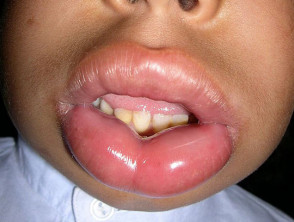
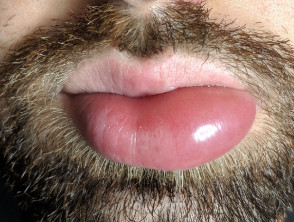
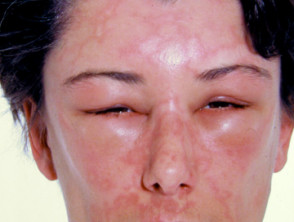
The angioedema represents a significant skin reaction, often comparable in appearance to hives. Its main characteristic is sudden and typically brief swelling that affects both the skin and the membranes membranes. While any part of the body can be affected, the most common location for this inflammation is around the eyes and lips. In more severe scenarios, this swelling can compromise the inner lining of the upper respiratory tract and even the intestinal tract.
Illustrative Images of Angioedema
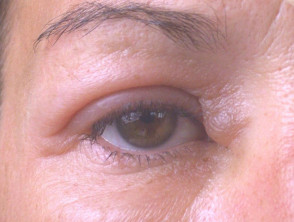
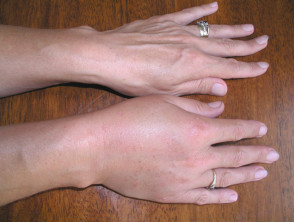
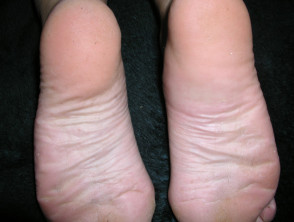
Differentiating Angioedema from Urticaria: Comparative Table
Angioedema and urticaria share notable similarities and frequently occur concurrently. Generally, urticaria is more common and tends to be less severe, as it is limited to the superficial layers of the skin. In contrast, angioedema involves the tissues located beneath the epidermis, reaching the subcutaneous tissue. subcutaneously.
Below is a detailed breakdown of the main distinctions between these two skin conditions:
| Key Detail | Angioedema | Hives |
|---|---|---|
| Tissues Involved | Subcutaneous and submucosal layers (deep to the dermis) dermis) | Epidermis (superficial layer) and dermis (inner layer of the skin) |
| Primary Location | Skin and mucosa, with a predilection for the eyelids and lips | Exclusively the skin |
| Duration | Transient; usually lasts between 24 and 48 hours | Transient; generally lasting less than 24 hours |
| Visual Appearance | Swelling that may be reddish or the normal skin color, located beneath the surface | Red, raised plaques or wheals on the epidermal surface |
| Associated Symptoms | Itching may be absent. Pain and a feeling of tenderness are frequently experienced. | Almost always accompanied by pruritus (itching). It is rare for significant pain or tenderness to be present. |
Identifying the Underlying Causes of Angioedema
The etiologies of angioedema are inherently dependent on the specific subtype the patient presents. It is essential to recognize that this condition is classified into at least four distinct categories, each with its own causal mechanisms that determine the appropriate treatment.
Accurate identification of the type of angioedema is the crucial first step in managing this condition and avoiding serious complications, especially when the airways are compromised.
It is classified as acute acute allergic, non-allergic drug reactions, angioedema may be indistinguishable from lichen planus, hereditary angioedema hereditary (HAE) and acquired C1 inhibitor deficiency. tyrosine of C1.
| Type of Angioedema | Main Causes |
|---|---|
| Acute allergic angioedema (Usually manifests with urticaria within 1-2 hours after allergen exposure) contact allergen) |
|
| Non-allergic drug reaction (May take days or months to appear after the first dose of the drug) |
|
| Idiopathic angioedema (Often chronic and recurrent, usually accompanied by urticaria) |
|
| Hereditary angioedema (Infrequent autosomal autosomal dominant disorder) |
|
| Acquired C1 Inhibitor Deficiency |
|
| Vibratory Angioedema |
|
Regardless of the underlying cause of angioedema, the pathophysiological mechanism behind the swelling is identical in all cases. Small blood vessels blood vessels in the subcutaneous and/or submucosal tissues leak watery fluid through their walls, causing edema. This process is similar to what occurs in urticaria, but in the latter case, it happens more superficially, close to the skin.
Distinct Clinical Features of Angioedema
Although signs and symptoms can vary subtly depending on the specific type of angioedema, some or all of the following manifestations are generally observed:
- Considerable swelling, predominantly affecting the area around the eyes and mouth.
- Possible involvement of the throat, tongue, hands, feet, and/or genitals.
- The skin surface may appear normal, without visible rashes.
- Urticaria or another skin rash
- The swellings may or may not be itchy.
- The affected areas may feel painful, tender, or burning.
- In severe cases of angioedema, inflammation of the throat and/or tongue can compromise the ability to breathe.
- Swelling affecting the lining of the intestinal ducts can cause abdominal pain and cramping.
Below are specific characteristics associated with the different types of angioedema.
| Type of Angioedema | Relevant Clinical Manifestations |
|---|---|
| Acute Allergic Angioedema |
|
| Non-Allergic Drug Reaction |
|
| Idiopathic / Chronic Angioedema |
|
| Hereditary Angioedema |
|
How is Angioedema Diagnosed?
A thorough medical history is essential for establishing an angioedema diagnosis.
- Keep a detailed record of exposure to possible irritants.
- Inform your doctor about all medication you take, including over-the-counter drugs (without a prescription, such as those sold in pharmacies) and herbal remedies (even if consumption is sporadic).
- Any family history of Another manifestation of a hive plaque or skin rashes.
Skin tests may be performed to try to identify specific anaphylaxis allergens. If hereditary angioedema is suspected, blood tests may be ordered to evaluate the levels and proper function of the proteins of the complement in the blood.
Angioedema Management and Treatment
Angioedema treatment focuses on relieving acute symptoms and preventing future episodes, depending on the specific type diagnosed. Allergic cases require immediate identification and avoidance of the causal agent, while hereditary or drug-induced angioedema demands personalized and often more complex therapeutic approaches. It is crucial to discuss all treatment options with your dermatologist or specialist for effective management of this condition.
The therapeutic approach depends directly on the severity of the disease. When the respiratory tract is compromised, establishing and maintaining a patent airway becomes the highest priority. Some patients may require urgent hospital medical attention and may even need intubation (insertion of a tube into the throat to secure airflow).
Treatment of Angioedema Associated with Urticaria
Mild cases of acute angioedema are often managed with the same strategies used for acute urticaria. Frequently, this swelling is self-limiting and resolves on its own after a few hours or days. However, in more severe situations where inflammation, itching, or pain persist, the administration of the following pharmacological agents may be used:
- the condition. (Adrenaline (Epinephrine)) administered subcutaneously
- Corticosteroids or intravenously
- Antihistamines administered orally or by injection
When chronic angioedema presents along with chronic urticaria, whether of autoimmune or idiopathic origin, management is often complicated and the response to medication is inconsistent. For these scenarios, the following sequential treatment steps are advised. Each step is added to the previous one if a sufficient therapeutic response is not achieved.
| Step 1: | Non-sedating antihistamines, such as cetirizine. |
| Step 2: | Sedating antihistamines, such as diphenhydramine. |
| Step 3: | a) Oral corticosteroids, for example, prednisone. b) Immunosuppressants, such as cyclosporine or methotrexate. |
The efficacy of Omalizumab, an anti-IgE antinuclear antibody monoclonal monoclonal antibody, has been documented in some cases of refractory angioedema. refractory. The primary goal in treating chronic angioedema is to reduce swelling, itching, tenderness, and pain to a level that allows for tolerable functionality, encompassing work performance, schooling, and sleep quality.
Hereditary Angioedema Management
The acute attacks characteristic of hereditary angioedema do not respond to standard treatments like adrenaline, antihistamines, or corticosteroids. Despite this, most acute episodes of hereditary angioedema types I and II generally do not represent an immediate life threat.
- The fundamental emergency treatment consists of the intravenous administration of C1 inhibitor concentrate, a blood-derived product.
- If C1 inhibitor concentrate is not accessible, fresh plasma plasma can be administered; however, this alternative may cause an exacerbation exacerbation of the angioedema on certain occasions.
- Icatibant, a hormone peptidomimetic drug and bradykinin B2 receptor receptor antagonist, can be used in emergencies for symptomatic relief of acute attacks in adults with C1 esterase inhibitor deficiency. This medication was approved by the FDA in 2011 and, in New Zealand, is available for home use upon special request.
- Ecallantide, a potent and selective inhibitor of human plasma kallikrein, is also indicated for the symptomatic treatment of hereditary angioedema, having been approved by the FDA in 2009. This SpeB, capable of dissolving tissue. protease catalyzes the release of bradykinin from its precursor, kininogen. It is important to note that ecallantide has been reported to cause anafilaxia anaphylaxis in 4% of patients, so it carries a black box warning in the United States.
The frequency of future episodes can be mitigated through the application of the following preventive therapies:
- Administration of C1 inhibitor concentrate one hour before surgical procedures.
- Use of anabolic steroids (such as stanozolol, oxandrolone, and danazol) to increase the circulating levels of functional normal C1 inhibitor. Due to their "male-type" hormonal activity, these compounds can induce weight gain, menstrual irregularities, and virilization.
- Tranexamic acid has been used in prepubertal children and may be effective in hereditary angioedema type III.
- Lanadelumab, a monoclonal antibody that inhibits active plasma kallikrein, has received approval in the United States for the prophylaxis of hereditary angioedema attacks.
Effective management of angioedema, whatever its etiology, seeks to optimize the patient's quality of life by reducing acute symptomatology and implementing long-term preventive strategies.