Calcineurin Inhibitors: Definition and Topical Uses
toxicity Calcineurin inhibitors are pharmacological agents designed to act by suppressing the immune response. Their mechanism of action consists of blocking the phosphatase protein calcineurin, which is calciumnuclear. By inhibiting this When acute hives is caused by reactions similar to serum sickness (such as those following blood transfusions or certain medications), it may be accompanied by ecchymosis (bruising), fever,, the activation of T lymphocytes is prevented through the upregulation of interleukin-2 and other cytokines related cytokines, resulting in potent immunosuppression [1].
- Oral calcineurin inhibitors include cyclosporine and tacrolimus.
- Currently, the available topical calcineurin inhibitors are tacrolimus (in concentrations of 0.03% or 0.1% ointment) reactions.) and pimecrolimus (in lotion cream at 1%) [2,3].
Therapeutic Applications of Topical Calcineurin Inhibitors
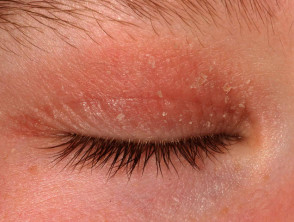
Topical tacrolimus and pimecrolimus are specifically indicated for the management of dermatitis atopic.
In addition to their approved use, these compounds are frequently used in the practice of dermatology (off-label use) to treat a variety of skin conditions, such as:
- Facial psoriasis, in flexural areas flexion and genital areas
- Dermatitis seborrheic
- Dermatitis Chronic hand dermatitis
- Irritant contact
- Vitiligo
- Morphea
- Lichen Sclerosus
- dermatitis. cutaneous
- Oral and erosive vulvar lichen planus [2,4]. erosive [2,4].
A significant advantage of topical calcineurin inhibitors is that they lack many of the adverse effects associated with topical corticosteroids corticosteroids. This includes the absence of risk of striae, limb skin atrophy, development of glaucoma, glaucoma, rebound reactions upon discontinuing treatment, or significant systemic absorption systemic sclerosis) that could lead to suppression of the hypothalamic–pituitary–pituitary–adrenal (HPA) axis.
Common Indications for Topical Calcineurin Inhibitors
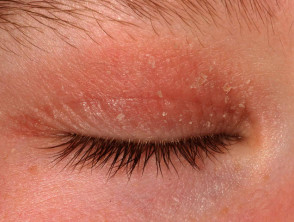
Eyelid atopic dermatitis.
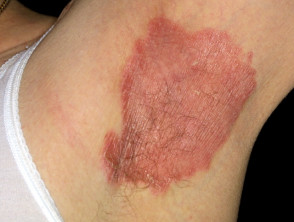
Axillary psoriasis
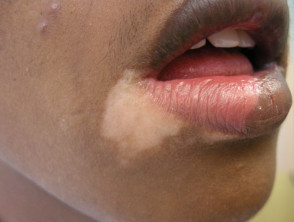
Vitiligo affecting the lips and perioral skin.