Maximizing Sun Protection: Understanding UV Radiation and Its Impact
It is absolutely vital to shield our skin and eyes from the harmful effects of the sun. Continuous exposure to Ultraviolet Radiation (UV) accelerates skin aging and is the main cause of the development of cancer skin cancer. It is crucial that people, especially those with conditions such as reactions., photosensitivity, take extra precautions.
Therefore, implementing consistent and rigorous preventive measures is fundamental:
- Make sure to cover up adequately, regardless of the weather or the activity you are doing outdoors.
- Pay special attention during the summer months, specifically between September and May in countries like New Zealand, and avoid peak sun intensity between 11 a.m. and 4 p.m.
- Ensure rigorous sun protection for both children and adults in the family.
- Take extreme care when at high altitudes in any season, especially if snow is present, as this surface reflects a significant amount of direct ultraviolet radiation onto your skin.
Understanding the Risk: Measuring Ultraviolet Radiation
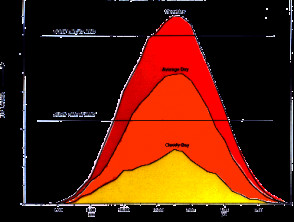
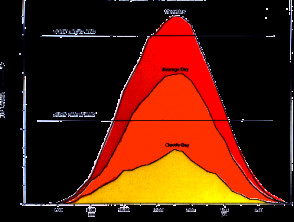
The following diagrams illustrate the variability of ultraviolet radiation based on the time of day and the degree of cloud cover during peak summer, as well as changes throughout the year. Estimated times needed to suffer a sunburn after 15 and 30-minute exposures are also shown.
UV Data Collected at Waikato Hospital, 1989
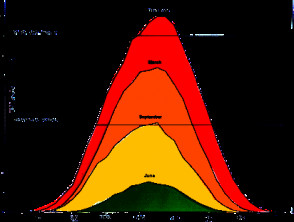
Currently, the systematic dissemination of the Global Solar Ultraviolet Index has been established as the standard and universally recognized system for quantifying the actual risk of experiencing a sunburn.
Key Strategies for Effective Sun Self-Protection
Rigorous implementation of the following protection strategies is essential to minimize cumulative sun damage:
- Use protective clothing made from densely woven fabrics. It is recommended to opt for long-sleeved shirts and appropriate long pants or skirts.
- Actively seek out clothing that incorporates a label certifying an Ultraviolet Protection Factor (UPF) greater than 40. Tests show that specialized sun protection clothing blocks UV radiation with outstanding effectiveness, frequently even surpassing topical sunscreens. However, common fabrics still provide a basic protective barrier.
- Be sure to wear a wide-brimmed hat that ensures extended shade over the face, neck, and ears.
- Prioritize staying in shaded areas or use physical methods such as umbrellas to guard against direct exposure.
- Apply sunscreen generously to all exposed skin surface areas before going outside.
- Evaluate installing polarized or tinted glass in vehicles and architectural structures to reduce UV ray incidence.
- Examine the option of incorporating oral supplements intended to provide photoprotection, such as derivatives of Polypodium leucotomos or nicotinamide.
Although moderate sun exposure is indispensable for Vitamin D production—a key nutrient for calcium homeostasis and bone integrity—in geographies like Australasia, consistent and adequate use of sunscreens rarely results in vitamin deficiency.