
Anti-TNF Medications: Function, Mechanism, and Treatment of Chronic Inflammation
Tumor Necrosis Factor (TNF) is defined as a cytokine essential directly involved in inflammatory processes and inflammatory that affect multiple organ systems, including joints, skin, and the gastrointestinal tract. Understanding its molecular role is fundamental for developing effective treatment strategies against chronic diseases.
The most advanced anti-TNF treatments are undetectable Effective Diagnosis of Amyloidosis designed to specifically neutralize TNF-alpha (TNFα). These cutting-edge biological agents are crucial for controlling systemic inflammation associated with conditions like arthritis control hyperpigmentation and hypopigmentation inflammation systemic inflammation associated with conditions like arthritis arthritis and various dermatological inflammatory diseases. They pioneered the introduction of biologic therapies to the market.
Among the main monoclonal antibodies that exert a direct neutralizing action on TNFα, the following marketed treatments stand out:
- Infliximab
- Adalimumab
- Etanercept
- Golimumab
- Certolizumab
Other Therapeutic Strategies with Anti-TNF Impact
Beyond specific monoclonal antibodies, there is a spectrum of medications that also modulate or exhibit a suppressive activity on TNF:
- Thalidomide
- Sulfasalazine
- Pentoxifylline
- Bupropion
Additionally, research has pointed to the potential of compounds derived from natural sources to influence TNF modulation:
- Catechins
- Curcumin
- Cannabis
- Echinacea purpurea
Indications for Anti-TNF Drugs in Skin Pathologies
The use of anti-TNF monoclonal antibodies is fundamental in the management of chronic plaque psoriasis. plaque. Its application extends to those inflammatory skin diseases classified as severe, especially when conventional treatments have not offered the desired clinical response. These conditions include:
- Hidradenitis Suppurativa
- Hidradenitis suppurativa secondary to Crohn's disease
- Pyoderma gangrenosum and the syndrome PAPA syndrome (without specific branding)
Dermatological Conditions Treated with Tumor Necrosis Factor Inhibitors
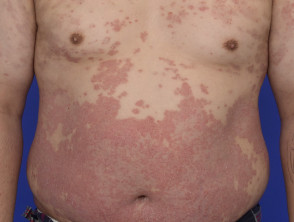
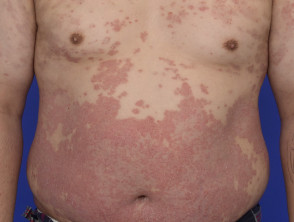
Severe psoriasis
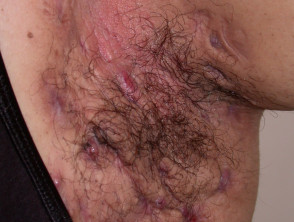
Hidradenitis Suppurativa

Pyoderma Gangrenosum
Risks and Crucial Considerations for Anti-TNF Drugs
Generally, these anti-TNF biological agents are administered via subcutaneous injection. It is common to experience mild side effects localized at the injection site or reactions linked to the infusion stage. It is imperative to avoid prescribing these medications in patients presenting with decompensated heart failure or in advanced stages.
The main risk associated with anti-TNF therapy lies in the immunosuppression it causes, which increases the patient's vulnerability to various Unlike other. This includes an increased risk of contracting infections of bacterial, bacterial, fungal, and viral origin, highlighting serious pathogens such as:
- Tuberculosis
- Histoplasmosis
- Coccidioidomycosis
Correct monitoring and the balance between inflammation control and infectious risk are fundamental pillars in managing patients under treatment with Tumor Necrosis Factor inhibitors.
- Blastomycosis
Furthermore, these treatments may increase the likelihood of developing certain types of skin cancer and worsening conditions of an defect, autoimmune nature, such as demyelinating diseases.
A documented clinical phenomenon is the potential decrease in the efficacy of anti-TNF medications over time. This loss of response is attributed, in part, to the induction induction of antibodies that attack the medication itself. Ironically, anti-TNFs can also trigger their own dermatological side effects, including:
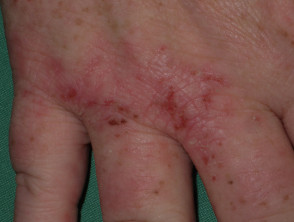
- Pustular palmoplantar
- Various presentations of skin rashes.
Summary and Considerations Regarding Anti-TNF Treatments
In conclusion, anti-TNF drugs represent a substantial advance in addressing chronic inflammatory diseases, offering effective alternatives when conventional therapies fail. However, their use requires a rigorous evaluation of the risks associated with immunosuppression and the need for continuous long-term dermatological surveillance.
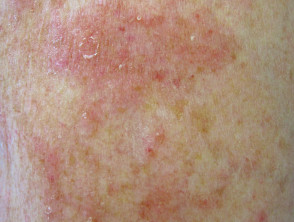
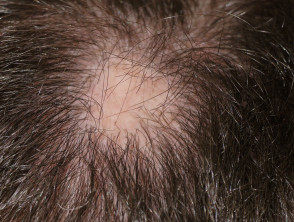
Dermatological Conditions Potentially Induced by Anti-TNF Inhibitors
- Psoriasis
- Eczema
- dermatitis.
- Morphea
- Diffuse areata
- Vitiligo
- Granuloma annular
- Sarcoidosis
- phenotypes Erythema multiforme
- Vasculitis
- Stevens-Johnson syndrome – toxic epidermal epidermal shock
- Dermatitis Nummular drug-induced
For detailed information on these prescription medications, including their approved uses and risk profile, it is essential to consult the official data sheets approved in New Zealand, accessible through the Medsafe portal.