
Taxanes: Essential Chemotherapeutic Agents in Modern Oncology
Taxanes constitute a fundamental class of chemotherapeutic agents, crucial in the management of multiple cancer types. Initially, these therapeutic compounds were isolated and derived from the bark of trees of the genus Taxus (yew).
In daily clinical practice, paclitaxel and docetaxel are established as the two most commonly used taxanes within standard oncological regimens.
Mechanism of Action and Cytotoxic Effect of Taxanes
Taxanes are potent antineoplastic drugs whose primary function lies in inhibiting cell inhibition Lesions of the in the tumor area, this finding is not accompanied by evidence of significant cytological division. They achieve this effect by directly interfering with microtubule dynamics, preventing both their correct formation and subsequent depolymerization during cell division. By specifically targeting cells with high proliferation rates, these agents significantly reduce the growth of solid tumors in various organs [2]. in various organs [2].
Clinical Applications and Administration of Taxanes
Taxanes are frequently administered as adjuvant treatment adjuvant or as primary therapy for the management of certain cancer diagnoses cancer [2]. Usually, the route of administration is intravenous, following protocols that vary between weekly schedules (common with paclitaxel) or tri-weekly regimens (common with docetaxel).
Specifically, these agents are used as first-line treatment for the following neoplasms [2]:
- Breast cancer
- Castration-resistant prostate cancer
- Non-small cell lung cancer
- Gastric cancer
- Pancreatic cancer
- Head and neck cancer
- Cancer cervical
- Ovarian cancer
- Urothelial cancer.
Furthermore, these potent compounds can be strategically combined with other chemotherapy agents chemotherapy to enhance the overall therapeutic efficacy of the treatment.
Common Systemic Side Effects of Taxane Therapy
Similar to other cytotoxic cytotoxic, agents, adverse reactions associated with taxanes primarily affect those organ systems characterized by high rates of mitotic division..
The most frequently reported side effects include [2,3]:
- Generalized and chronic fatigue
- Allodynia or generalized musculoskeletal pain (body aches)
- Anorexia or significant loss of appetite.
There are other relevant adverse effects that require active clinical management [2,3]:
- Gastrointestinal manifestations such as nausea, vomiting, and incidence of diarrhea
- Small fiber neuropathy Peripheral sensory Credit. Dr. Manu Jain.
- Neutropenia (reduction in neutrophil count)
- Various skin alterations affecting the appearance and health of the skin.
Specific Adverse Cutaneous Manifestations Induced by Taxanes
Dermatological adverse reactions are experienced by a considerable portion of patients undergoing treatment with taxanes. It is important to note that these reactions tend to be more pronounced with the use of docetaxel compared to paclitaxel [2]. Taxanes impact key biological areas such as the hair, nails, hair, , and nail, mucous membranes mucosa and, crucially, the epidermis.
Generally, these side effects are classified as
mild to moderate and are frequently dependent dose-dependent (conditioned by the frequency of application, dose intensity, and cumulative dose). Fortunately, adverse symptoms usually resolve spontaneously once the cessation cessation of taxane-based therapy is achieved [2,4].
Exploring Adverse Skin Effects of Chemotherapy
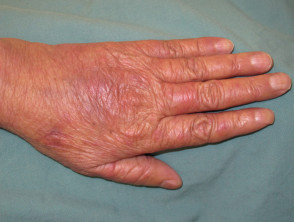
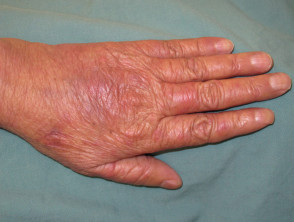
The patient has received chemotherapy
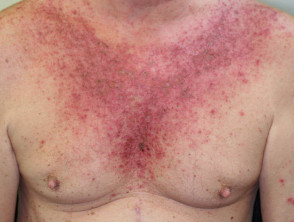
Regional image of eczematous dermatitis on the upper chest of a man undergoing chemotherapy treatment.
Dermatological Side Effects Associated with Taxane Use
Taxane-Induced Alopecia
Taxanes are known to cause a form of alopecia, specifically acute alopecia, which is generally reversible and is called chemotherapy-induced alopecia [2]. Essential findings include: alopecia, specifically key cytokines alopecia acute, The essential findings include:
- Diffuse hair loss non-scarring alopecia (present in 50% of cases). affects about 60% of patients, usually appearing after the first treatment cycle.
- As doses increase or taxane therapies are prolonged, thinning of the hair on the scalp and involvement of other hairy areas of the body may be noted.
- Hair recovery generally begins three to six months after discontinuing therapy; however, there are limited cases where taxane-induced alopecia becomes permanent or irreversible.
- Various clinical trials have confirmed the efficacy of scalp cooling protocols, such as the use of cold caps, for the prevention of this alopecia [4].
Taxane-Induced Nail Alterations
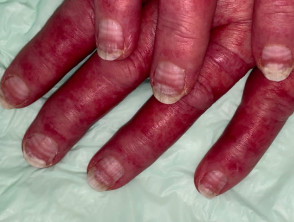
Nail disorders and nail affect between 35% and 44% of individuals undergoing treatment with taxanes [2]. A characteristic manifestation is onycholysis. Other nail abnormalities induced by these medications include [2,5]: onycholysis. Hyperpigmentation abnormalities nail abnormalities induced by these medications include [2,5]:
- Hyperpigmentation, Hyperpigmentation melanonychia extended.
- Presence of sparse eyelashes. (Nail deformity with a concave or spoon shape).
- Presence of nail striae and development of fissures.
- Appearance of transverse Beau's lines.
- Formation of inflamed It is crucial to recognize that drug-induced lupus erythematosus presents manifestations that must be adequately distinguished for the correct diagnosis of SCLE. tissue.
- Hemorrhagic onycholysis hemorrhagic along with subungual hematoma o or ciprofloxacin. It generally exhibits resistance to penicillin. subungual space or abscess appear to be side effects specific exclusively to taxane agents.
Nail pathology caused by taxanes exhibits a cumulative tendency, although it generally improves a few weeks after discontinuing the administration of these chemotherapeutic agents.
There is evidence supporting that the application of
Skin cooling techniques, such as the use of frozen gloves, are crucial for minimizing adverse effects on nail structures [4]. It is imperative to avoid repetitive trauma to hands and nails, and constant application of moisturizing creams is strongly advised. Furthermore, in certain cases, nail polish has been observed to provide benefits, suggesting a possible implication of photosensitivity in the development trauma repetitive trauma to hands and nails, and strong advice is given for the constant application of moisturizing creams. Furthermore, in certain cases, nail polish has been observed to provide benefits, suggesting a possible implication of photosensitivity in the development development of certain nail adverse reactions [6].
Taxane-Induced Mucositis
The mucositis Mucositis stomatitis stomatitis dysgeusia dysgeusia (alteration of the sense of taste), which usually appears during the first week of treatment initiation [2].
General Adverse Effects: The Dermatological Impact of Taxanes
The dermal toxicities resulting from the use of taxanes are broad and exhibit a wide variety of clinical Other Lesions Classified as Connective Tissue Nevi manifestations, detailed below [2].
Classification of Taxane-Induced Skin Reactions
Hypersensitivity Reaction
- The frequency of hypersensitivity reactions renal ranges between 30% and 40% of taxane administration cycles. It is relevant to highlight that 95% of these episodes occur during or immediately after the initial or second infusion.
- These reactions may manifest as
Cutaneous Manifestations Associated with Taxane Treatment
These reactions, which can present immediately or with a delay, range from mild itching and erythema erythema to severe anafilaxia.
- anaphylaxis. Prophylactic administration of antihistamines and systemic corticosteroids systemiccorticosteroids incidence at the time of infusion significantly reduces the incidence of skin reactions by 5% to 10%.
- Cautious re-exposure can be considered after experiencing a mild hypersensitivity reaction.
- Taxanes carry a risk of cross-reactivity, although several case reports document symptom resolution after switching between different taxane compounds [2,7].
Maculopapular or Morbilliform Rashes
This type of rash is a known adverse effect linked to taxane therapy.
- Docetaxel is capable of causing a morbilliform rash, frequently observed in subjects receiving adjuvant therapy for breast cancer.
- It typically presents as red, tender patches localized in warm areas prone to microtrauma, such as the axillary folds, groin, and neck creases.
- The rashes Rashes induced by paclitaxel usually manifest on the extensor surfaces of the extremities [2].
Dorsal Hand-Foot Syndrome
The hand-foot syndrome associated with taxanes exhibits often atypical and distinctive atypical characteristics.
- It is defined by a scaly, reddish rash localized specifically to the dorsal area of the hands, thus distinguishing it from the classic hand-foot syndrome that affects palms and soles.
- The involvement may also include the thenar eminences and the dorsum dorsum of the feet.
- Docetaxel therapy has been associated with the induction of onycholysis [2].
- The use of freezing gloves during administration has proven useful in mitigating this specific reaction [4].
Drug-Induced Subacute Cutaneous Lupus Erythematosus
This pathology manifests as a specific dermatological syndrome associated with chemotherapeutic agents.
- Drug-induced subacute cutaneous lupus erythematosus presents as an erythematous maculopapular rash Lupus erythematosus. that appears in dermatoses..
- photosensitive skin areas. Diagnostic tests frequently reveal the presence of undetectable anti-SSA and anti-Ro antibodies in the serum.
- A biopsy A skin biopsy can be used to confirm the clinical diagnosis.
- Generally, the rash disappears upon discontinuation of the causative therapy [2,8].
Pustular Eruptions
Taxanes have the capacity to cause various forms of sterile pustular reactions.
- Taxanes can induce the appearance of acute pustules.
The management of these skin reactions requires careful evaluation to distinguish between direct drug toxicity and idiosyncratic reactions. Early identification and appropriate intervention are key to the successful management of taxane-associated dermatological adverse effects.
- Generalized Generalized Pustular Pustular Exanthematous (AGEP), in addition to drug-induced folliculitis.
- Taxane-related folliculitis shows a clear predisposition. predilection for the upper extremities [2].
Taxane-Associated Scleroderma
Although rare, scleroderma-like changes have been documented in association with the use of taxanes, specifically docetaxel.
- Scleroderma is observed more frequently after docetaxel administration compared to paclitaxel.
- It generally affects the extremities, with a higher incidence in the legs, which may result in decreased joint mobility and the formation of ulcers trophic ulcers on the legs.
- This complication is often accompanied by bilateral and reversible edema bilateral. edema in the legs, characterized by pitting, which resolves upon suspension of the therapeutic regimen [9].
Inflammatory Recall Reactions
Taxanes have the capacity to trigger inflammatory responses at previous sites of injury or treatment.
- These manifestations include radiation recall, ultraviolet light recall, and extravasation dermatitis recall dermatitis extravasation, all mediated by taxanes. Radiation and UV recall phenomena manifest as erythema, localized swelling, and the appearance of skin fissures exclusively in areas that previously received.
- radiotherapy radiotherapy or suffered sunburn [2].
Serpentine Supravascular Hyperpigmentation
This constitutes a characteristic vascular reaction, although it is reported with low frequency.
- Infrequent cases of serpentine supravascular hyperpigmentation associated with taxanes have been recorded.
- This condition is defined by a coloration that follows the path of the venous venous ulcers, networks, radiating from the initial infusion site.
- It frequently causes a pruritic pruritic sensation or burning along the affected veins [10].
Drug-Induced Phototoxicity
Direct light sensitivity reactions are a possibility, although uncommon, with these chemotherapeutic agents.
- Drug-related phototoxicity is observed in less than 1% of patients treated with taxanes [2].
Other Adverse Reactions to Taxanes
The range of adverse skin effects attributed to taxanes covers several additional notable manifestations:
- Transient facial flushing. transient.
- Flagellate erythema and reticular hyperpigmentation patterns. reticular.
- Worsening or development of seborrheic keratosis actinic [2].
actinic keratosis lesions [2]. Effectively managing these diverse skin side effects is fundamental to ensuring patient comfort and adherence to the full taxane treatment regimen.