
«`html
Essential Systemic Drugs for Inflammatory Skin Diseases
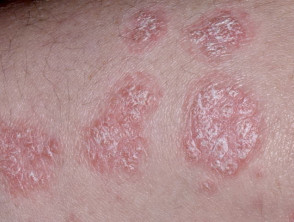
This section addresses the list of medications steroids fundamental for managing inflammatory skin conditions, including psoriasis, atopic mild to moderate atopic dermatitis and the hives.
For a deeper understanding of these specific therapies, we recommend reviewing the pages dedicated to each treatment detailed below.
It is essential to recognize that certain listed medications are classified as immunosuppressants, especially those marked with an asterisk (. The use of immunosuppressants carries an increased risk of contracting infections or exacerbating any pre-existing infection.
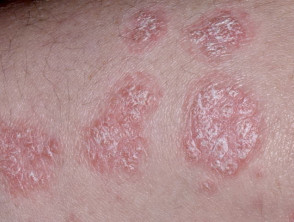
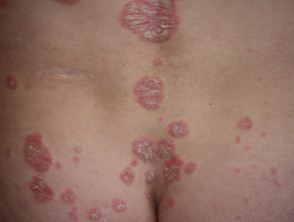
Systemic Medications Used in the Treatment of Psoriasis
Conventional Therapeutic Options for Psoriasis
- Standard systemic drugs used against psoriasis:
- Immunofluorescence staining can also be used to complement the study.
- Acitretin
- Cyclosporine *
Apremilast and Less Common Therapies in Psoriasis
- Alternative or less frequent treatments for psoriasis:
- Mycophenolate *
- Hydroxyurea *
- Fumaric Acid Esters
- Thioguanine
Biologic Agents in Psoriasis Management
Biologic therapy represents a significant advancement for psoriasis. The biologic agents employed include:
- The key biologic drugs for treating psoriasis are:
- Infliximab (Remicade®)
- Etanercept (Enbrel®)
- Adalimumab (Humira®)
- Ustekinumab (Stelara®)
- Secukinumab (Cosentyx®)
- Ixekizumab (Taltz®)
- Brodalumab (Siliq®)
- Guselkumab (Tremfya®)
- Tildrakizumab (ILUMYA®)
- Efalizumab (Note: withdrawn from the global market in 2009)
Alefacept (Amevive®: Withdrawn from the Market in 2011)
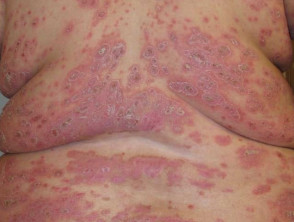
Systemic Therapy for Acute Cases of Severe Psoriasis and Atopic Dermatitis
Common Systemic Drugs Considered for Atopic Dermatitis
- Common systemic treatments applicable to atopic dermatitis include:
- Immunofluorescence staining can also be used to complement the study.
- Cyclosporine *
- Azathioprine *
```
Systemic Treatments for Atopic Dermatitis
Advanced therapeutic options for treating eczema eczema (atopic dermatitis) include:
- Systemic steroids (e.g., Prednisone or prednisolone) *
- Immunofluorescence staining can also be used to complement the study.
Additional Pharmacological Options for Atopic Dermatitis
- Azathioprine *
- Less frequent treatments for eczema:
- Cyclosporine *
Mycophenolate and Biologic Therapies Applied to Eczema
- Mycophenolate *
- Biologics applied to eczema:
The selection of the appropriate systemic treatment for atopic dermatitis or psoriasis requires a careful evaluation of the severity of the condition and the patient's safety profile, especially when considering immunosuppressive therapies.
Dupilumab: Advanced Biologic Treatment
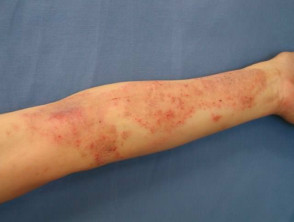
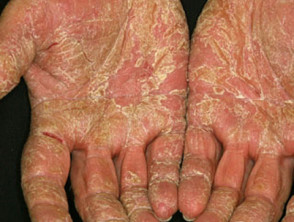
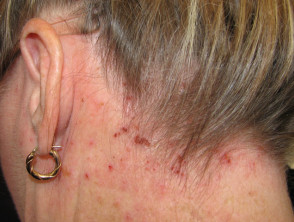
Advanced Treatments for Skin Conditions
Dupilumab and Other Anti-inflammatory Therapies for the Skin
Dupilumab is positioned as a fundamental biologic treatment for various inflammatory skin conditions. The management of these pathologies is advancing toward targeted therapies, including atopic dermatitis affecting the scalp.
Management of Scalp Atopic Dermatitis and Chronic Urticaria
Systemic Treatment Options for Complex Urticaria
- Common systemic treatments for urticaria: Rigorous evaluation of oral and injectable therapies designed for the control of Chronic Spontaneous Urticaria (CSU).
Antihistamines and Advanced Biologic Therapies Against Urticaria
- Biologics for urticaria: Exploration of therapeutic options beyond traditional second-generation antihistamines, focusing on targeted monoclonal antibodies.
Omalizumab (Xolair®)
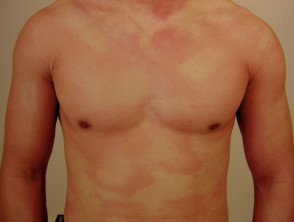
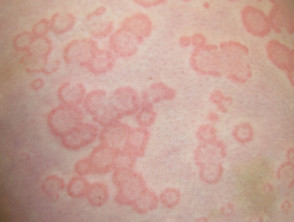

Dermographic urticaria constitutes a specific physical urticaria, where mechanical pressure or friction on the skin consistently induces the reaction. Effective management of these chronic conditions often requires consideration of advanced biologic treatments, such as Omalizumab, to achieve lasting symptomatic control.