
Skin Health in Agriculture: Risks and Prevention with Miiskin
Introduction to Agricultural Dermatological Risks
Agriculture represents one of the most **widespread** occupations globally. Despite its importance, it is estimated that between 50% and 60% of farmers may **develop** a significant skin condition within the first five years of starting their work.
Aggravating Factors: Why Do Farmers Suffer from Skin Problems?
Dermal conditions in the agricultural sector result from a combination of environmental and occupational stressors. The main contributing factors are:
- Constant exposure to adverse outdoor environmental conditions.
- Intense and prolonged solar radiation.
- Repetitive contact with agrochemicals: pesticides, herbicides, and fertilizers.
- Increased risk of **allergic reactions** from **arthropod** stings and bites.
Understanding the Causes of Occupational Skin Diseases
Intact skin functions as a fundamental barrier of the immune system, offering crucial defense against physical, biological, or chemical agents. However, the inherent demands of agricultural work can seriously compromise this protective integrity.
Most Common Skin Conditions in Agricultural Workers
The most frequent dermatological manifestations observed in the agricultural population focus mainly on contact **dermatitis** and sun damage that can lead to skin **cancer**.
Irritant Contact Dermatitis
Irritant contact dermatitis (ICD) is exceptionally prevalent among field workers.
- The **inflammation** is a direct response to irritating substances that come into contact with the skin.
- Visible symptoms include redness, blistering, **peeling** or cracked skin, characterizing the dermatitis.
- Exposure can be classified as **acute** or **chronic**.
- An irritating **rash** may manifest hours after initial contact or develop progressively with sustained exposure to various **irritants**.
Common irritants include certain types of plants, handling acids and alkalis, mechanical friction, animal waste, and constant exposure to water.
Allergic Contact Dermatitis
This form of dermatitis arises from a specific **immune** response to a particular sensitizer. An important characteristic of this condition is that it can spread and affect areas of the skin that were not directly exposed to the allergen.
In the agricultural setting, the most common contact **allergens** include:
- Sesquiterpene lactones (present in the Compositae family) and *Toxicodendron* derivatives (such as poison ivy).
- Chemical accelerators used in rubber manufacturing.
- Various pesticides, especially insecticides.
- Components present in sunscreens, including preservatives.
Visual Examples of Contact Dermatitis
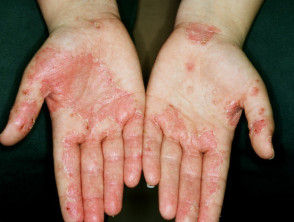
Nonspecific hand dermatitis
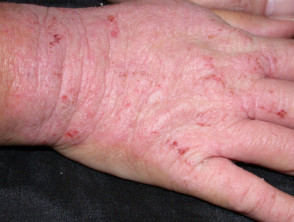
Hand dermatitis due to rubber allergy
Recognizing and managing these risks is fundamental for the long-term health of the agricultural worker. Tools like Miiskin provide accessible support for continuous skin surveillance and early detection of any anomaly.
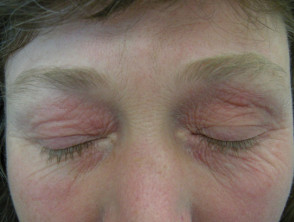
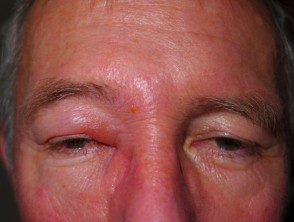
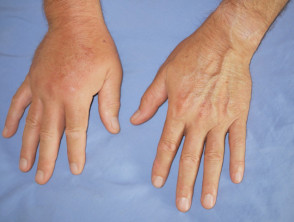
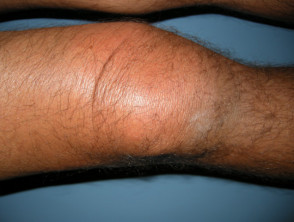
Reactions to Bee and Wasp Stings
Allergic reactions to bee and wasp stings commonly cause localized swelling. In more severe cases, these reactions can manifest as hives and, potentially, anaphylaxis. It is crucial to keep injectable hives and, potentially, mortality, anafilaxia. It is crucial to keep injectable adrenalina adrenaline accessible for any severe allergic reaction. allergic reaction severe.
Localized swelling resulting from bee and wasp stings
Sun Damage to the Skin
Sun damage arises from prolonged exposure to solar radiation, constituting a significant risk, especially for fair-skinned farmers. This deterioration results from both acute sunburns and cumulative exposure over time. dose over time.
The harm is primarily attributed to Ultraviolet Radiation Light Therapy (UVA and UVB). UV levels UV are influenced by several key factors:
- The angle of the sun in the sky (being highest at noon and during the summer).
- The hemisphere: the Southern Hemisphere generally has a higher UV index than the Northern Hemisphere.
- Cloud cover and existing environmental pollution.
In regions like New Zealand, it is essential to follow the recommendations of the Sun Protection Alert, which is disseminated along with the weather forecast.
Other risk factors that increase significant sun damage in the agricultural field include:
- Prolonged periods of direct exposure.
- Use of minimal clothing that leaves the skin uncovered.
- Having fair skin that burns easily in the sun.
- Having light eyes and light hair. hair clear.
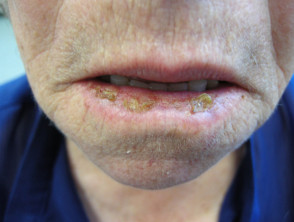
Extended sun exposure culminates in skin skin aging, manifesting as wrinkles, pigmentary changes, and telangiectasia. Moving toward precancerous changes, we find actinic keratosis, actinic cheilitis, and intraepidermal carcinoma. pigmentary y telangiectasia. Moving toward precancerous changes precancerous, we find actinic keratosis seborrheic keratosis actinic, actinic cheilitis, and intraepidermal carcinoma. carcinoma intraepidermal.
Sun damage and its manifestations
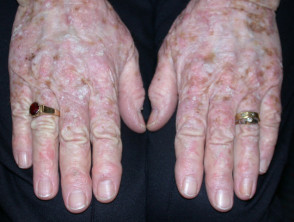
Consistent prevention is the best defense against chronic sun damage, protecting long-term dermal health in outdoor work environments.

Skin Cancer and Occupational Risks in Agriculture
Agricultural labor notably increases the risk of developing skin cancer, mainly as a consequence of chronic exposure to direct solar radiation.
- In addition to radiation, certain chemicals used in agricultural practices, such as arsenic, have been linked to the development development of skin malignancies.
- Since skin cancer exhibits a long latency period latency period and slow progression, the disease may manifest many years after peak exposure.
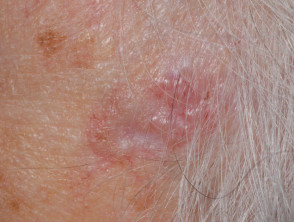
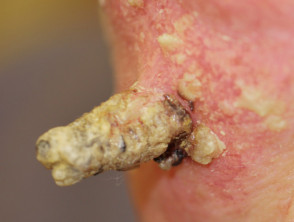
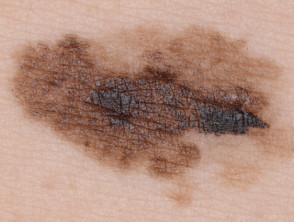
- The most frequent types of skin cancer include basal cell carcinoma, squamous cell carcinoma, and melanoma. cell, squamous cell carcinoma scaly and melanoma.
Common Types of Skin Cancer
Skin Infections Associated with Agricultural Work
Farmers face an increased susceptibility to various specific infections linked to farming and livestock tasks. Notable examples include:
- Tinea corporis, caused by the fungus Trichophyton tonsurans (known as cattle ringworm).
- Orf, transmitted by crusted lesions on animals, especially sheep.
- Listeriosis.
- Anthrax (Carbuncle).
- Periodic Fever Cat scratch fever.
- Plague.
- Tularemia.
Tularemia.
Occupational Risk Assessment and Preventive Measures
- Effective management of the work environment and promotion of worker health must incorporate the following safety strategies:.
- Thoroughly train farmers and field staff on proper personal hygiene practices and the correct use of protective clothing and equipment. toxic.
- Seek the substitution of hazardous substances (like certain pesticides) with less toxic alternatives.
- Ensure physical segregation between workers and harmful substances through the use of secure containers, physical barriers, or other isolation systems.
- Implement work automation or employ specialized protective devices when performing tasks that involve potential skin damage.
Establish rigorous procedures for the storage, handling, and final disposal of toxic waste.
Proper Use of Personal Protective Equipment (PPE)
Personal Protective Equipment (PPE), including gloves, safety glasses, and body protection, is fundamental for minimizing exposure to irritants or sensitizing agents by keeping the skin surface covered. It is imperative that these devices are used consistently and that workers follow guidelines on how to put them on and take them off properly…
Fundamental Rules for Farmer Skin Care and Protection.
Proper protection of hands and skin is crucial for farmers, given their constant contact with potentially harmful elements. It is essential to select and use personal protective equipment, such as gloves, appropriately, and the correct glove must be selected for the specific type of work being performed.
Recommended Hand Care for Agricultural Workers
- To maintain skin health, farmers are advised to follow these care practices:.
- Wash hands following the correct procedure and always using a mild soap or cleanser.
- The lotion Opt for waterless hand cleansers to dissolve grease and oils. Only resort to abrasive soaps if strictly necessary.
- Barrier cream must be specifically chosen to offer protection against certain chemicals; however, they are less effective than using gloves (when these are used without previously applying any protective cream).
If you are in the field and do not have adequate handwashing facilities, use disposable wipes and portable hand cleansers.
Treatment of Occupational Skin Diseases in Farmers.
The treatment process should begin with a thorough evaluation that considers the patient's complaints, relevant medical history, precise occupation, chemicals, and other substances habitually used, supplemented by a complete physical examination.
The specific treatment plan will vary according to the nature of the condition presented.
- In the case of dermatitis, treatment focuses on avoiding exposure to the cause (if feasible) and includes:.
- Use of oral corticosteroids Application of wet dressings.
- Application of emollients y creams Use of topical and oral corticosteroids.
The photoaging Application of emollients and barrier creams. cryotherapy Photoaging and the different types of skin cancer will require an individualized therapeutic strategy, which may range from the application of specific creams to cryotherapy.
The detection of Immunoglobulin (Ig) lesions and dermal surgery procedures. Detecting precancerous lesions and skin cancers requires implementing lifelong daily sun protection against excessive sun exposure:
- Always wear a wide-brimmed hat.
- Wear long-sleeved shirts and long pants.
- Apply sunscreen with an SPF 50+ to all exposed skin every 2 hours while outdoors. exposed skin Implement these preventive measures and follow medical protocols as essential steps to mitigate the dermatological risks inherent in agricultural work and ensure long-term occupational health.
Implement these preventive measures and follow medical protocols as essential steps to mitigate the dermatological risks inherent in agricultural work and ensure long-term occupational health.