
Understanding Scrub Typhus: Causes, Transmission, and Distribution
Scrub typhus is an infectious disease caused by bacteria of the genus Rickettsia, specifically the strain Orientia tsutsugamushi.
The infection is transmitted to humans through the bite of an infected larva (chigger) of the trombiculid mite of the genus Leptotrombidium, known as the «harvest mite» or «chigger.».
Cutaneous Manifestations of Scrub Typhus
Geographic Distribution and Populations at Risk
Traditionally, scrub typhus affects populations residing in wide geographic areas including Asia, Japan, India, Northern Australia, and the Pacific Islands. However, more notifications are being received in other regions of the world, including recent reports in Chile [1].
Travelers visiting areas considered endemic for this disease are at risk of developing or develop scrub typhus even after returning to their home countries.
Mechanism of Transmission and Etiological Agents of Scrub Typhus
The bacterium Orientia is spread through the bite of infected mites trombiculid mites.
- These vector mites are extremely small, measuring less than 1 mm.
- Once the mite attaches to human skin, it inoculates the pathogen by forming a stylostome (a tubular feeding structure) in the host tissue, using host, digestive enzymes. muscle enzymes enzymes.
- Through this feeding and piercing process, the Orientia Orientia bacteria are inoculated directly into the individual.
Identification of the Vector Mite
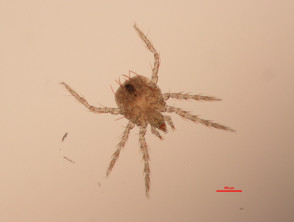
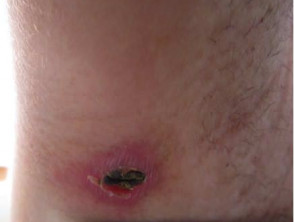
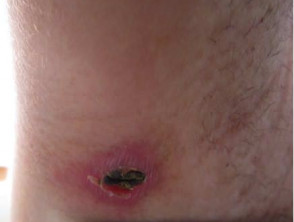
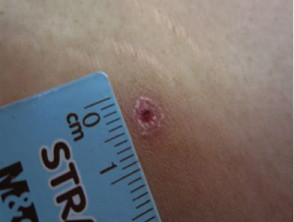
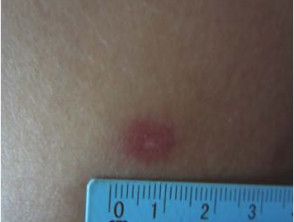
Understanding the pathogenesis and distribution of scrub typhus, caused by Orientia tsutsugamushi, is crucial for early diagnosis, especially in travelers from endemic areas of the Pacific and Asia. The presence of the initial eschar and exposure to larval mites are key indicators for identifying this arthropod-borne disease.
Habitat, Symptoms, and Treatment for Scrub Typhus
What is the Habitat of Trombiculid Mites?
Trombiculid mites occupy a diversity of biotopes, including primary forest primary, agricultural plantations, beach areas, and gardens. These arachnids maintain a strong link with small mammals, especially rodents, as their larvae feed on them to complete their life cycle.
The distribution of areas affected by scrub typhus is heterogeneous. The extent and dynamics of these infestation foci are not fully known, which implies that anyone who comes into contact with suitable habitats is at risk of infection. It is very likely that humans act as Hosts accidentally.
Clinical Characteristics of Scrub Typhus
Scrub typhus clinically manifests through a classic symptomatic triad that includes fever fever, myalgia, and headache.
Usually, clinical signs appear between 6 and 14 days after the mite bite. In most patients, the development of a cutaneous cutaneous eschar at the site of inoculation. The presence of overt lymphadenopathy is common, and a maculopapular rash maculopapular rash located on the trunk (exanthem) may present. Additionally, plantar and palmar Plantar and erythema are frequently described. erythema.
Complications Associated with Scrub Typhus
Although the disease can present mildly, there is a possibility of systemic, systemic involvement, which can lead to the following complications:
- Pneumonitis
- Acute ulceration renal failure
- Orthostatic
- Meningoencephalitis.
Diagnostic Methods for Scrub Typhus
Accurate diagnosis of scrub typhus using laboratory methods can be challenging. Several diagnostic techniques are available to confirm the infection, including:
- Rapid detection tests based on Antibody Point-of-care antibody
- Serology
- Polymerase chain reaction (PCR)
- Cell culture. malignant. Among the dermatological neoplasms it helps to identify with precision are:.
What is the Differential Diagnosis of Scrub Typhus?
The differential diagnosis spectrum for scrub typhus includes any infectious disease that manifests with fever, myalgia, and headache, such as:
- Typhoid Fever
- Malaria
- Melioidosis
- Dengue
- Leptospirosis
- Other rickettsioses, including spotted fevers and murine typhus.
Specifically for the eschar associated with scrub typhus, the differential diagnosis includes:
- Anthrax
- Tularemia
- Chancroid
- Lymphogranuloma Venereum
- Other infectious skin lesions.
Recommended Antibiotic Treatment for Scrub Typhus
Generally, scrub typhus responds favorably to tetracycline family antibiotics, with doxycycline being the drug of choice. A seven-day course is usually sufficient unless the clinical picture is severe. Although resistance to tetracyclines has been reported in Northern Thailand, more conclusive data are required [2].
Chloramphenicol is the secondary therapeutic alternative in case of failure or contraindication of tetracyclines.
Scrub Typhus Prevention Strategies
Currently, no vaccine is available to prevent scrub typhus infection.
Prevention focuses on implementing measures aimed at avoiding bites from trombiculid mite larvae, such as:
- Application of an effective insect repellent, such as those containing DEET.
- Use of protective clothing, including long pants and covering feet with footwear and socks when traveling in areas where these mites inhabit.
Prognosis and Evolution After Scrub Typhus
The mortality The mortality rate associated with scrub typhus can be as high as 60% if the disease is not treated. However, with adequate and timely medical intervention, symptoms should begin to subside within the first 48 hours, allowing for full patient recovery within 7 to 10 days.
It is important to note that immunity generated after infection appears to be ephemeral and strain-specific, so having previously suffered from scrub typhus does not guarantee protection against future reinfections.