

Atopic Dermatitis: Key Symptoms, Psychological Impact, and Treatment Options
The Atopic Dermatitis, commonly known as eczema atopic dermatitis, is a skin disorder chronic or recurrent that is distinguished by intense pruritus (itching) and the appearance of rashes visible rashes. This condition represents the most frequent skin disease during childhood. It is important to note that about 50% of individuals diagnosed in childhood continue to experience symptoms in adulthood.
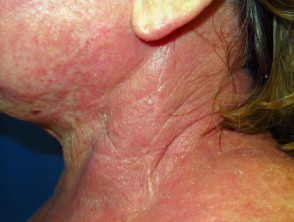
- The dermatitis is frequently located in visible areas of the body, such as the face and neck.
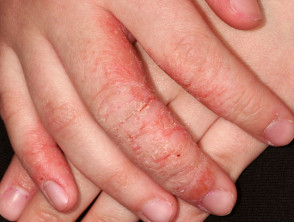
- The itching associated with chronic dermatitis is persistent and severe.
- The continuous act of rubbing or scratching can lead to lichenification, a characteristic thickening of the affected skin.
- Common manifestations include hypopigmentation, , hyperpigmentation and the pigmentation post-capillaryinflammatory following the resolution of the lesions.
Atopic dermatitis entails a substantial impact on daily life, potentially causing significant negative psychological sequelae, such as social isolation and a marked decrease in the patient's self-esteem.
Visual Manifestations of Atopic Dermatitis

Psychosocial Considerations and Effects on Quality of Life
The repercussions factors resulting from atopic dermatitis can be profound, manifesting in different ways throughout the patient's development.
- Young children affected by atopic dermatitis often present an elevated risk of hyperactivity and show increased dependence on their caregivers, in contrast to their peers without this condition.
- School-aged children suffering from atopic dermatitis are more susceptible to scorn and bullying. This can lead to social isolation, poor academic performance, and establish a strong feeling of stigmatization within their environment.
- The condition imposes direct restrictions on lifestyle, affecting necessary clothing (prioritizing comfortable fabrics), interaction with pets, and participation in recreational or sports activities, such as swimming or outdoor games.
- It is common to observe, in both pediatric and adult patients with dermatitis, a deterioration in body image perception, an intrinsic reduction in self-esteem, and an impairment in general social interaction skills.
Comprehensive Evaluation of the Impact of Atopic Dermatitis on Daily Life
To conduct an exhaustive assessment of how atopic dermatitis (AD) affects daily life, the use of the Dermatitis Family Impact (DFI) questionnaire is essential. This instrument has been specifically designed to quantify the magnitude of the disease not only in the affected person but also in their family environment, analyzing various critical dimensions of the burden imposed by this chronic condition:
- The economic impact and the considerable financial burden derived from the constant management of this skin condition.
- The tangible effect the disease has on social interactions and the internal dynamics of the family unit.
- The level of stress, exhaustion, and emotional wear experienced by all members involved in care.
- The effectiveness and strategies implemented by the patient or family to achieve control and management of persistent dermatitis symptoms.
Various studies have consistently shown that the complexity of managing children with atopic dermatitis imposes a family burden comparable, in terms of multidimensional impact, to that generated by chronic diagnoses such as diabetes or asthma. This similarity is manifested both in the direct costs of medical care and in the necessary adaptations to daily routines and the tension that accumulates in interpersonal relationships.
Association Between Atopic Dermatitis and Mood Disorders
It is common to observe that patients suffering from severe or extensive forms of atopic dermatitis present elevated levels of depressive symptomatology. This correlation is exacerbated by multiple underlying factors:
- Depression is intrinsically linked to a substantial deterioration in quality of life, predominantly influenced by insomnia or chronic sleep deprivation generated by incessant pruritus (itching). This chronic lack of restorative sleep inevitably leads to emotional problems and affects general cognitive performance.
- Additionally, emotional stress acts as a significant trigger for exacerbations (flares) of dermatitis. These episodes cause an increase in itching, compromise skin vascular permeability and destabilize skin homeostasis homeostasis, which also accelerates adverse immune responses.
Support Strategies and the Need for Multidisciplinary Treatment
Effective management of atopic dermatitis frequently requires implementing a collaborative and coordinated strategy. This must involve both the skin specialist, such as the dermatologist, dermatologist, for physical management, and a mental health professional (psychologist or psychiatrist) to actively address the psychological consequences inherent in living with a chronic illness.
To successfully address the psychological components associated with the disorder, recommended interventions may include various approaches:
- Providing specialized psychological counseling, which could encompass the application of techniques such as cognitive-behavioral therapy, training focused on reversing harmful habits, and therapies aimed at deep relaxation.
- Considering the prescription of psychotropic, psychotropic drugs, especially antidepressants, when the severity of clinical depression warrants it.
- Promoting and encouraging the active involvement of the patient in support groups specifically designed for people facing the particularities of this condition.
Addressing atopic dermatitis comprehensively—attending to both its visible dermal manifestations and its profound and often undervalued impact on mental well-being and family structure—is absolutely crucial to achieving significant and lasting improvement in the patient's overall quality of life.