
¿What is a Lipoma? Definition, Causes, and Common Symptoms
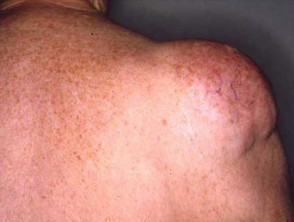
A lipoma is a tumor benign, meaning non-cancerous, tumor composed primarily of fat cells. This growth develops slowly just beneath the skin, lodged in the subcutaneous subcutaneously. tissue. It is common for people to have a single lipoma, although the appearance of multiple growths of this type is also frequent.
Lipoma Image Gallery
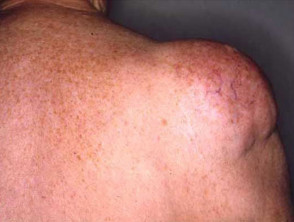
Lipoma
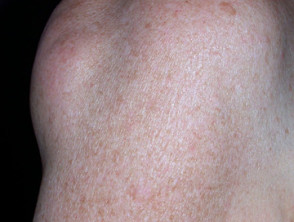
Lipoma
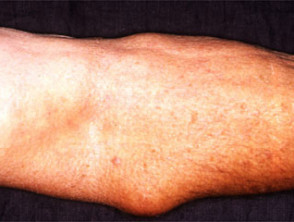
Lipoma
Who Do Lipomas Affect? Demographic Profile
Lipomas can appear in any age group, but they are typically identified during adulthood, being more prevalent in middle age. Although they affect both sexes equally, there is a tendency: solitary lipomas are usually more common in women, while cases of multiple lipomas are more frequent in men.
Possible Underlying Causes of Lipoma Development
The exact etiology of lipomas remains unknown. However, it is presumed that there could be a genetic predisposition, predisposition, as a family history of these tumors is commonly observed. Occasionally, the growth of a lipoma can be precipitated by trauma or injury, such as a blunt blow to the affected area.
Identifying Lipomas: Characteristic Signs and Symptoms
Frequently, individuals do not notice the presence of lipomas until they have grown large enough to be visible and clearly palpable. palpable. This growth is usually a gradual process that extends over several years. Typical characteristics of a lipoma include:
- Morphology: They present a dome-shaped form, often described as cup-shaped or egg-like, with diameters ranging between 2 and 10 cm (although they can exceed this size).
- Texture and Mobility: To the touch, they feel soft and smooth; they move easily under the fingers when gentle pressure is applied.
- Consistency: They usually have a rubbery or slightly doughy consistency.
- Frequent Location: Although they can appear wherever body fat tissue exists, they are more common on the shoulders, neck, trunk, and arms.
The vast majority of lipomas do not cause symptoms. However, some may become tender or even painful when pressed. A lipoma that presents tenderness or pain is often classified as an angiolipoma, angiolipoma blood vessels , which indicates a higher number of small blood vessels inside it. Pain can also be a symptom associated with specific conditions such as Dercum's disease or adiposis dolorosa.
How is the Diagnosis of
Lipoma Diagnosis and Considerations
The diagnosis of a lipoma is generally established through a clinical examination, by identifying a soft, mobile lump just beneath the skin's surface. However, if there is any diagnostic doubt, a deep skin biopsy biopsy histopathological can be performed. This procedure will confirm the typical histopathological characteristics of the lipoma and its possible variants, such as hibernoma.
Difference from Liposarcoma
Liposarcoma, a rare cancer fat tissue cancer, rarely originates in the skin. This malignant tumor tends to be located in deep structures, most frequently in the thigh, groin, or the back of the abdomen. If you notice that your lipoma is growing rapidly or becomes tender to the touch, it is essential that you consult your doctor. In these cases, a skin biopsy may be necessary to rule out the presence of a liposarcoma.
Treatment Options for Lipomas
In most cases, lipomas do not require any therapeutic intervention. Frequently, these growths stop developing and continue persisting without causing significant complications. However, if a lipoma obstructs the movement of adjacent muscles Mucosal and Follicular Manifestations of Lichen Planus or causes notable cosmetic discomfort, surgical removal may be necessary. Several procedures are available for excision:
- Simple surgical excision. Surgical simple.
- Compression technique (involves making a small 2 cm incision over the lipoma to extract the fatty tissue by squeezing it through the opening).
- Liposuction.
The decision regarding treatment will depend on the size of the lipoma, its location, and the symptoms reported by the patient.