
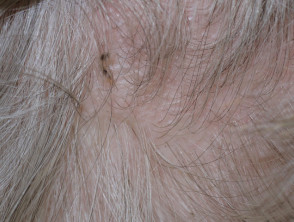
¿What Are Lice and How Do They Live?
A louse (or pediculus, plural lice) is a tiny insect that lives in human hair hair or clothing and is visible to the naked eye. These parasites are surprisingly well camouflaged, as their coloration tends to reflect the tone of their surroundings.
Medically, the presence or secondary continuous infestation caused by these insects is called pediculosis, which indicates an infestation active.
Images of Types of Lice
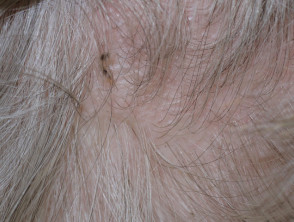
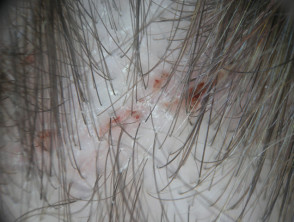
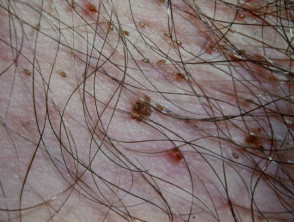
Lice are classified as ectoparasites, as they develop on the body of their host human host. These insects are wingless and have six legs equipped with powerful claws, specifically designed to cling tightly to hair shafts or textile fibers in clothing.
They use their piercing mouthparts to penetrate the skin and feed on blood. Additionally, they inject a saliva saliva that is the main cause of the intense itching associated with the infestation. Notably, lice can survive up to ten days without ingesting blood if separated from their host.
There are three primary species of lice capable of parasitizing people:
- Pediculus humanus var. capitis: Head lice.
- Pediculus humanus var. corporis: Body lice.
- Phthirus pubis: Pubic lice.
Head lice infestation is the most common among humans, and their eggs are commonly known as nits. In comparison, pubic lice are significantly smaller and have a short body reminiscent of a crab's morphology, which has earned them the popular nickname «crabs».