Understanding Intense Pulsed Light (IPL) Therapy and How It Works
Intense Pulsed Light (IPL) Therapy, also known as flash lamp, is a noninvasive and nonablative designed to significantly improve the appearance of various skin conditions through the use of high-intensity visible light pulses. This effective procedure addresses multiple aesthetic issues simultaneously.
IPL is especially recommended for treating:
- Musculoskeletal vascular, rashes lesions such as telangiectasias (spider veins), port-wine stains, broken facial veins, persistent redness, rosacea, and reddish veins on the legs.
- Sun spots (freckles) and age spots.
- Fading of fine lines and facial wrinkles.
- The removal of hair unwanted hair.
When applied for the rejuvenation of photodamaged or aged skin, the procedure is called photorejuvenation. Generally, this process requires a series of IPL treatment sessions to achieve optimal results.
Additionally, IPL therapy can prove useful in managing mild to moderate acne and improving the appearance of stretch marks.
Mechanism of Action: How Does Intense Pulsed Light Therapy Work?
IPL devices operate under principles analogous to vascular lasers: the emitted light energy is selectively absorbed by specific target cells containing natural pigments present in the skin (known as cutaneous chromophores). Once absorbed, this light energy transforms into thermal energy, causing controlled damage in the specific treatment area.
The key distinction between IPL and traditional lasers lies in light delivery. IPL systems emit multiple wavelengths (or colors) in each light pulse, unlike lasers which deliver a single focused wavelength. Most IPL devices incorporate filters that allow refining energy production, adjusting it to treat particular conditions. This optimizes light penetration without requiring excessively high energy levels, allowing for precise targeting of the identified chromophores.
IPL therapy is classified as a non-ablative rejuvenation technique. This means its action is primarily directed at the lower layers of the skin (the dermis) without significantly injuring the superficial layers (the epidermis). While results are not as drastic as ablative rejuvenation (which intentionally damages both layers for deeper renewal), the great advantage of IPL is its minimal recovery time. A patient can frequently undergo the treatment during their lunch hour and return to their work activities immediately afterward.
Types of IPL Machines and Their Specific Applications
There is a variety of IPL equipment commercially available, including recognized models such as LumenisI® Quantum IPL® (considered the successor to PhotoDerm®), EpiLight®, and Ellipse®. Although each machine might be specialized to treat specific skin issues, its effectiveness can vary depending on the type of condition being addressed.
| Treatment of Vascular Lesions |
|
|---|---|
| Treatment of Pigmented Lesions |
|
In conclusion, IPL therapy offers a versatile and minimally invasive route to address both vascular and pigmentary issues, in addition to being a viable option for photorejuvenation and unwanted hair reduction, thanks to its ability to modulate the emitted light.
| Spot Removal |
|
| Hair Removal |
|
Effect of IPL on a Freckle
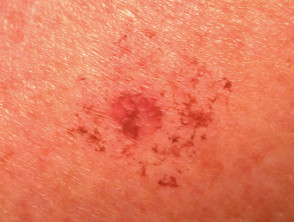
Close-up
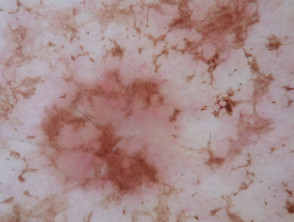
Dermoscopy
Intense Pulsed Light (IPL) Procedure Process
Before undergoing treatment, it is essential that the specialist physician explains the procedure in detail and establishes realistic expectations about the results achievable with this technology. It is crucial to ensure that the diagnosis made by the professional is correct to proceed with the treatment.
IPL procedures are usually straightforward. Verify that the technician responsible for applying the IPL therapy has the necessary training and prior experience with this device.
- Sun exposure must be strictly avoided during the weeks before and after treatment.
- In some cases, a local anesthetic topical can be applied as a comfort measure, although it is usually not indispensable.
- A gel gel is applied to the area to be treated. Many IPL devices include cooling systems integrated into the handpiece.
- The handpiece with a smooth glass surface is gently pressed against the skin, emitting precise light pulses over the target area.
- Generally, each treatment session lasts approximately 20 minutes. To achieve the desired results, between 4 and 6 sessions may be necessary, spaced 3 to 6 weeks apart.
- Most patients can resume their work activities immediately after the session.
It is mandatory for the patient to wear protective goggles throughout the session. Compared to other facial rejuvenation techniques, IPL treatments are considered relatively painless. The sensation resembles a light pinch or the snap of a rubber band, although tolerance varies among individuals.
Possible Side Effects of Intense Pulsed Light Therapy
Side effects associated with IPL are usually mild and include:
- Discomfort or pain during the procedure: Mitigated thanks to contact cooling systems and, if necessary, topical anesthesia.
- Mild redness and temporary skin hypersensitivity immediately after application.
- A slight sunburn sensation (redness, possible peeling, mild swelling) that may persist for a few days following treatment.
- In rare cases, if the skin pigment absorbs too much light energy, blistering may occur.
- Occasionally, temporary damage to pigment cells (melanocytes) may occur, resulting in lighter or darker areas of skin. Scars or completely white spots are very infrequent events and are rarely permanent.
- Temporary hair loss in the treated area is possible.
- Bruising is observed in up to 10% of patients.
Prolonged Hypopigmentation Due to IPL
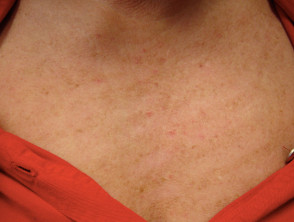
Hypopigmentation after IPL
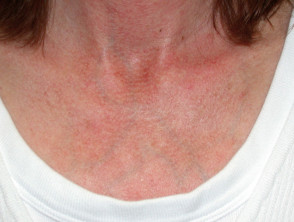
Hypopigmentation after IPL