Essential Practices for Afro-Descendant Hair Care and Management
Hair care practices encompass both daily maintenance routines and popular styles, covering actions such as shampooing, conditioning, deep moisturizing, and chemical treatments.
Distinctive Characteristics of Hair of African Descent
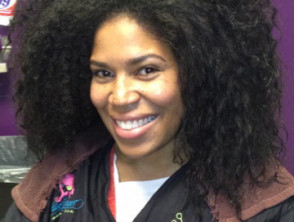
While there is wide diversity in hair texture, people of African descent usually have hair that ranges between wavy and curly. The degree of curliness is unique to each individual, potentially ranging from a soft wave to a very tight curl.
Because this texture tends toward dryness, curls can easily tangle, forming knots. Therefore, the styling techniques and practices used by Afro-descendant women are specifically designed to increase hair manageability and infuse necessary moisture.
Use of Shampoo and Conditioner in the Hair Routine
Many women of African descent avoid daily shampooing due to the inherently dry nature of their hair. The recommended washing interval can vary significantly, ranging from several times a week to only once a month.
- It is advised to use shampoo at least every one or two weeks to prevent product buildup, irritant dermatitis, and seborrheic dermatitis. irritant dermatitis and the seborrheic dermatitis.
- Conditioning is a crucial component in hair management, as it provides vital moisture, protects against the stress of styling methods, facilitates detangling, and minimizes fragility and breakage.
Importance of Hair Hydration
Products formulated specifically for Afro-descendant people often include oils, shine products, and pomades designed to provide and seal in hydration. These elements are essential for achieving and maintaining the desired style. It is important to note that different products offer optimal results depending on the specific curl type.
Moisturizing lotions and creams are generally applied after washing and conditioning processes. Their use can be daily or intermittent, depending on the hair's hydration needs and the chosen style.
Natural Hair Versus Chemically Treated Hair
Definition of Natural Hair
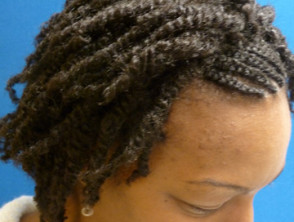
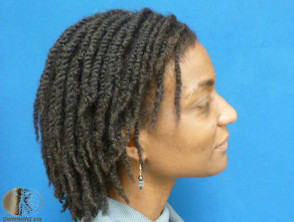
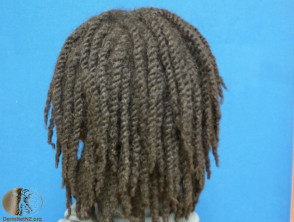
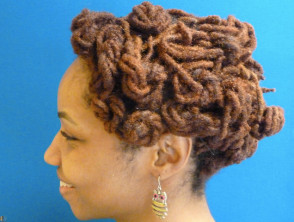
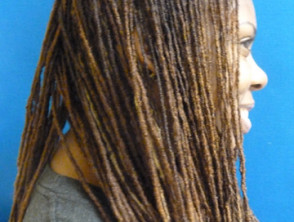
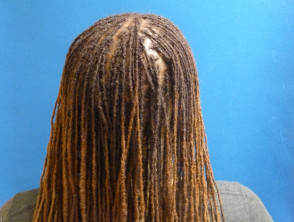
Natural hair is defined as hair that has not been subjected to chemical processes intended to alter its original curl pattern. Common hairstyles among Afro-descendant women include heat-straightened hair, Afros, locks, braids, weaves, and twists.
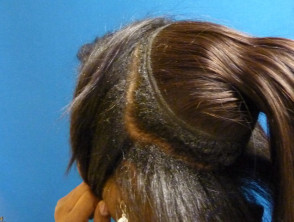
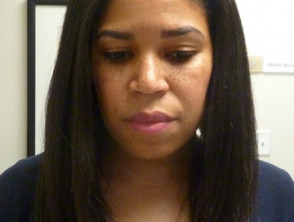
Heat-straightened hair is achieved using thermal tools such as blow dryers, flat irons, or hot combs (press irons). The hair inevitably reverts to its natural curly pattern when wet. Excessive use or extremely high temperatures with these tools can cause severe damage and hair breakage.
Examples of Natural Hair in Afro-Descendant Women
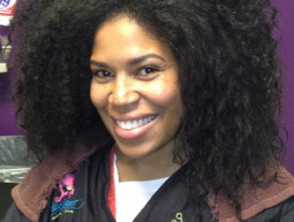
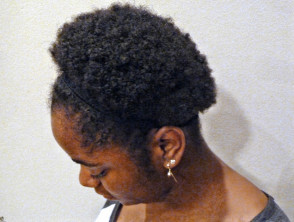
Understanding these practices underscores the importance of hydration and delicate handling to preserve the health and beauty of curly-textured hair. The key lies in avoiding dryness and minimizing excessive manipulation that can lead to strand loss.
Afro-Descendant Hair Care: Curls, Chemical, and Heat Treatments
In the care of Afro-descendant hair, it is fundamental to understand the different types of treatment applied to modify its natural texture. There are techniques that use heat and others that use chemical agents to permanently alter the curl pattern.
Thermal Straightening
Below are essential recommendations for those who use heat on their hair:
- Limit the use of heating tools to once a week at most.
- Ensure heat is applied only to clean hair that has been recently washed.
Chemically Treated Hair
Hair that has undergone a chemical treatment refers to hair whose natural curl pattern has been permanently altered. This category includes procedures such as relaxers, Jeri curls, S-curls, and texturizers.
For African American women, the most frequent chemical treatment is the hair relaxer. These products typically contain sodium hydroxide, potassium, or guanidine. Their function is to break the cystine disulfide bonds within the hair structure, resulting in permanently straight hair. Since the hair continues to grow, the new growth must be chemically treated to maintain straightness uniformity.
Generally, relaxers are applied every 6 to 12 weeks. It is important to note that chemical straighteners increase hair fragility, making it more susceptible to breakage, so they should not be used more frequently than every six weeks. The risk of damage increases significantly when relaxers are combined with hair dyes or styles that impose excessive tension, such as very tight braids.
Furthermore, the use of relaxers can cause chemical burns on the scalp, irritant contact dermatitis, and, in rarer cases, partial fractures of the hair shaft, a condition known as trichorrhexis nodosa.
Key Recommendations for Relaxer Application
- The application of the straightener must always be performed by a certified professional stylist.
- It is crucial to apply a protective base to the scalp before beginning chemical manipulation.
- The straightening product must be applied strictly only to new growth (roots).
- A minimum interval of six weeks must be maintained between each relaxer application. This period may vary depending on the growth rate and the specific texture of your hair.
- Implement regular conditioning treatments to reduce the risk of breakage in areas where different textures coexist (untreated roots and treated hair).
- Be alert to any burning or irritation sensation during application and stop if it persists.
Comparison of Straighteners Used to Modify Hair Texture
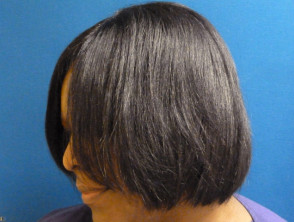
Chemical straightener for Afro-descendant hair
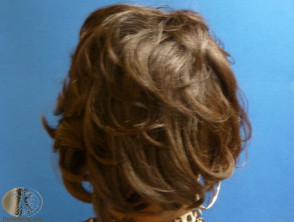
Chemical straightening products
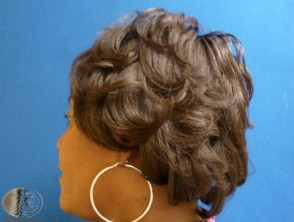
Example of chemical treatment application
In contrast, treatments like S-curls, Jeri Curls, and texturizers aim to relax the natural curl pattern toward a looser wave. These products generally contain thioglycolate, a component that can trigger irritant contact dermatitis and, rarely, an allergic reaction.
To optimize the health of your Afro-descendant hair, whether you choose thermal or chemical methods, the key lies in preventive maintenance, correct professional application, and consistent use of deep hydration products.