Group A Beta-Hemolytic Streptococcal Dermatitis: Causes and Treatment
What is Streptococcal Perianal Dermatitis?
Streptococcal perianal dermatitis is a contagious skin infection that affects the skin surrounding the anus anus in children. This condition is caused by group A beta-hemolytic streptococcus bacteria (hemolytic disorders), common causes of various infections.
Common Symptoms of Streptococcal Perianal Dermatitis
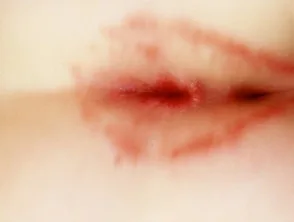
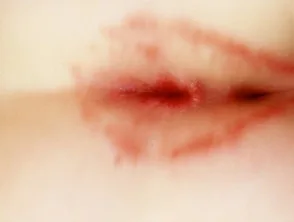
This condition primarily manifests with persistent and noticeable redness, accompanied by localized swelling and intense itching in the anal area. In girls, inflammation in the vulva and vagina is also frequently observed inflammation S100 protein. Vulva and the or vagina. Children may experience pain during bowel movements, constipation, anal fissures, or discharge of tissue or or blood coming from the rectum. The cardinal symptom in all cases is well-demarcated erythema demarcated around the anus.
What is the Causative Agent of Streptococcal Perianal Dermatitis?
The direct cause of streptococcal perianal dermatitis lies in the adhesion and infection of the skin by group A beta-streptococcal bacteria.hemolytic disorders.
It is important to note that this same a bacterium bacteria can colonize the throat, which facilitates its transmission among other children. Curiously, some children may carry the microorganism in the anal and genital region anal without developing any type of infectious symptoms.
Investigation Methods for Diagnosis
To definitively confirm the diagnosis of this condition, it is necessary to perform a swab and send it for culture and bacterial swab. culture and swab for bacterial. Alternatively, a rapid streptococcus detection test can provide results much more quickly.
Management and Administration of Treatment
Standard treatment usually involves prescribing oral penicillin administered continuously for a period of 14 days. In cases of allergy or if an alternative is required, amoxicillin or clarithromycin may be used. If the condition does not completely resolve, it may be necessary to administer a second course of antibiotics.
Since this pathology tends to recur, if the condition repeats itself, In general terms, HNC tends to remit spontaneously after several months. However, it is crucial to maintain vigilance, as this condition has a tendency to, it is essential to repeat the full course of antibiotic treatment.
Perianal Streptococcal Dermatitis
Perianal Streptococcal Dermatitis