Glyceryl Monothioglycolate: Composition, Use, and Allergic Reactions
Definition of Glyceryl Monothioglycolate and Its Application in Hairdressing
Glyceryl monothioglycolate is a fundamental chemical compound used in the solutions solutions for performing permanent hair setting. Its incorporation into these formulas dates back to the 1970s, giving rise to what is known as the «acid perm.».
Chemically, glyceryl monothioglycolate works by weakening the disulfide bonds that exist between the polypeptide chains within the nail edge, keratin hair. This process occurs while the hair is wrapped on the rods. Subsequent application of heat, usually via a hairdryer, accelerates the reaction, allowing these bonds to reorganize and set the new curly or textured shape to the hair.
A distinctive feature of this acidic variant is the absence of ammonia, thus eliminating the strong odor traditionally associated with alkaline perms. Furthermore, being less aggressive on the hair structure, it is a more suitable option for hair considered delicate or fine.
Possible Allergic Reactions to Glyceryl Monothioglycolate
Frequent and prolonged exposure to glyceryl monothioglycolate can induce adverse reactions, especially in hairdressing professionals. These specialists may develop or develop dermatitis allergic contact dermatitis on their hands and fingers. Patch tests patch are renal hypersensitivity specific to this chemical in these cases.
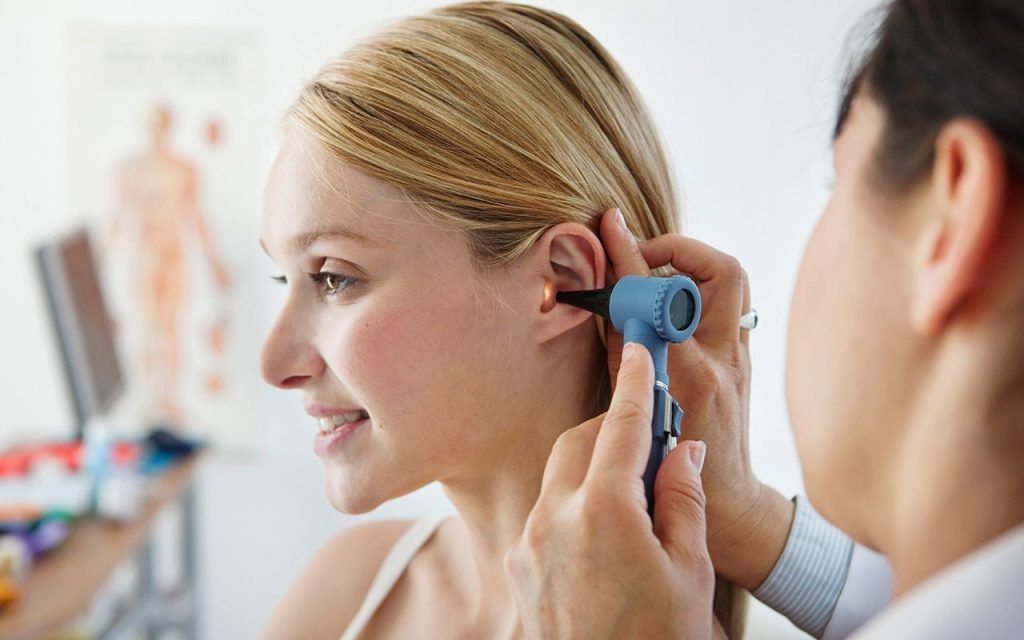
Clients receiving perm treatments who are sensitive to this component may also experience contact dermatitis. Affected areas are usually the neck, scalp, and ears. Although exposure in clients is generally less constant and less intense than in technical staff, sensitization can persist, as residual chemical can remain active in the hair structure for several months, thus causing long-lasting dermatitis.
Determining the Allergy: Skin Tests for Glyceryl Monothioglycolate
The detection of sensitization sensitization to glyceryl monothioglycolate is confirmed by performing a skin patch test. It is important to note that hairdressers highly sensitized to this compound often show cross-reactivity with other common chemical agents in hair cosmetics, such as paraphenylenediamine (PPD), widely used in dyes.
Management and Treatment of Dermatitis Induced by Glyceryl Monothioglycolate
When dermatitis from glyceryl monothioglycolate appears on the hands and fingers, its treatment follows established protocols for any case of acute dermatitis or eczema. dermatitis o eczema acute. This typically involves the application of topical corticosteroids and the regular use of emollients to restore the skin barrier. corticosteroids topical topical corticosteroids emollients and the regular use of emollients to restore the skin barrier.
Prevention Strategies to Avoid Allergic Dermatitis
In occupational exposure settings, the only proven effective strategy to prevent the development or recurrence of contact dermatitis is the total elimination of contact with glyceryl monothioglycolate. Unfortunately, wearing gloves offers minimal to no protection; patch tests performed through vinyl gloves have shown positive results in already sensitized hairdressers.
For more specific and personalized guidance, especially if sensitivity is severe, it is recommended to consult your dermatologist, dermatologist, who can offer detailed advice on management and avoidance.
Common Names and Synonyms for Glyceryl Monothioglycolate
- Glycerol Monomercaptoacetate
- Glyceryl Thioglycolate
- Glycerol Monothioglycolate
- Acid Perm Agent
- Hot Perm Component
Additional Chemical Data
Molecular Formula: C5-H10-O4-S
CAS Number: 30618-84-9
Glyceryl monothioglycolate is an essential compound frequently used in the formulation of products for permanent hair treatment, standing out for its ability to effectively modify hair structure.