Understanding Diethylthiourea: Definition, Uses, and Allergic Reactions
Diethylthiourea (DETU) is part of the allergen group known as mixed dialkylthioureas. This group also includes dibutylthiourea.
Thiourea derivatives are commonly incorporated into products made with neoprene rubber, such as wetsuits, rubber seals, gloves, orthopedic knee and elbow pads, swimming goggles, fishing boots, athletic insoles, and keyboard wrist rests. The main function of diethylthiourea is to accelerate the vulcanization of neoprene, giving it greater stability, resistance, and flexibility to be molded into various applications. Industrially, DETU is used in anticorrosive compounds, detergents, fungicides, and insecticides, as well as in some polyvinyl chloride (PVC) adhesives and diazo copy paper used for industrial textile patterns and architectural blueprints.
In significant recognition of its sensitizing potential, mixed dialkylthioureas were designated as the contact allergen of the year 2009 by the American Contact Dermatitis Society (ACDS).
Skin Reactions: What is Diethylthiourea Allergy?
In individuals sensitized to diethylthiourea, direct contact causes the classic manifestation of allergic dermatitis contact dermatitis.
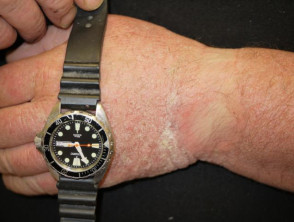
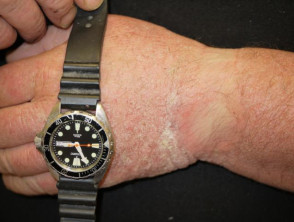
Generally, the rash is strictly localized to the area that has been in contact with the neoprene product. For example, in two documented cases of occupational allergic dermatitis related to the padding of a stroller handlebar made of neoprene rubber, both patients suffered a dermatitis vesicular rash on the palms, fingers, and wrists. However, footwear is identified as the most frequent source of diethylthiourea allergy, while gloves represent the most common occupational cause.
Manifestations of Contact Dermatitis Caused by Neoprene and Diethylthiourea
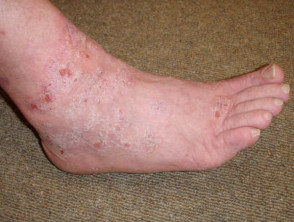
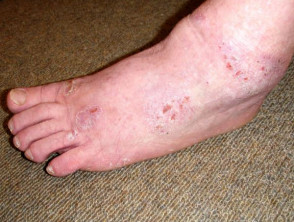
Diagnosis of Diethylthiourea Allergy
The diagnosis of allergy to this substance is confirmed through specialized skin tests, known as patch tests. diagnostic patch tests. For this evaluation, a 1.0% concentration of diethylthiourea applied in petrolatum is usually employed.
Medical literature reports a limited number of cases of contact dermatitis associated with diethylthiourea. Nevertheless, retrospective analyses and specific patch tests indicate that patients with a history of dermatitis caused by neoprene rubber often show a positive and marked reaction to the 1% concentration of diethylthiourea.
Treatment for Diethylthiourea Hypersensitivity
Once the allergy to diethylthiourea is confirmed, the fundamental treatment consists of the total elimination of the causative agent. Subsequently, management resembles the standard treatment for any form of acute dermatitis or eczema acute. eczema corticosteroids topical topical corticosteroids emollients and the regular use of emollients to restore the skin barrier.
Avoidance Measures to Prevent Allergic Reaction
It is imperative that individuals diagnosed with diethylthiourea allergy rigorously avoid any contact with products made from neoprene rubber. For more detailed guidance specific to your sensitivity, your dermatologist dermatologist.
Common Synonyms for Diethylthiourea
- 1,3-diethyl-2-thiourea
- 1,3-diethylthiourea
- N, N'-diethylthiocarbamide
- N, N'-diethylthiourea
- Accel EUR
- Pennzone E
- Nocceler EUR
- Thiate H
- U 15030
- Thiourea
Additional Data and Considerations
Chemical formula: C5H12N2S
CAS Registry Number: 105-55-5
Information on cross-reactions: Pending specific details.
Physical appearance: White solid.
Primary sensitizing agent: Diethylthiourea.
Concentration used in the dermal patch test: 1.0% Diethylthiourea dissolved in petrolatum.
Proactive identification and avoidance of diethylthiourea are crucial for the successful management of this contact allergy. If you suspect or have been diagnosed, follow your specialist's recommendations to prevent future dermatitis outbreaks.