Expert Guide: Differentiating Corns (Helomas) and Calluses (Tilomas)
Both corns (*clavus* or *heloma*) and calluses (*tiloma*) are common skin conditions characterized by a localized thickening of the skin. However, understanding their distinctions is a crucial step for implementing the most effective treatment and management for these dermal lesions.
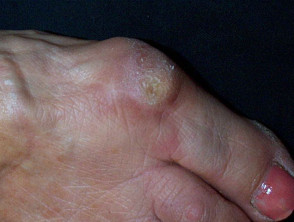
- The Corn (Callo): Generally presents a deeper core and may manifest with noticeable inflammation and pain.
- Soft Corn (*Heloma Molle*): This variant is distinguished by having a soft and moist superficial layer, with a tendency to peel. It usually forms commonly between the toes that experience constant compression.
- Callus (*Tiloma*): It typically presents as a wide, hard patch of thickened epidermis, which often does not cause significant pain when palpated.
Fundamental Causes of Callus Formation and Corns
The appearance of corns and calluses is essentially a protective response of the skin to continuous stress generated by repetitive friction and excessive mechanical pressure. This repetitive injury stimulates the skin's natural defense mechanisms, causing a thickening with the goal of preventing the appearance of painful vesicles or blisters.
Physiologically, this process occurs when the proliferation of keratinocytes, the epidermal basal cells, accelerates. This increase in cell production results in a thickening of the spinous cell layer and, consequently, a stratum corneum much thicker than normal. stratum corneum much thicker than normal.
Although the upper and lower extremities are the most frequent locations, any skin area can develop these patches if subjected to chronic pressure. Some common scenarios include:
- Development of thickening on the palms when using tools that involve constant gripping, such as sports rackets or hammers.
- Formation over knuckles due to the force exerted when pushing off from a wheelchair.
- Appearance on the side of the foot as a direct result of wearing footwear that limits or restricts natural movement.
- Formation on the sole of the foot associated with activities involving constant impact without adequate protection, such as running barefoot.
When the skin thickening affects the entire surface of the palm or sole, the term palmar keratoderma o plantar keratoderma. This nomenclature also applies to skin syndromes of genetic genetic origin that generate multiple callus formations, called punctate keratoderma punctate.
Visual Gallery of Corn (Callus) Examples
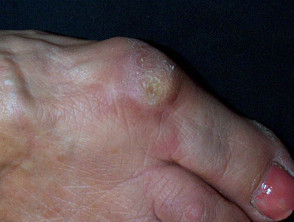
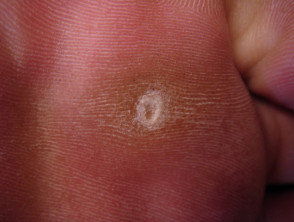

View more clinical cases and photographic examples of corns and helomas by clicking here.
Observing Types of Calluses (Tilomas)
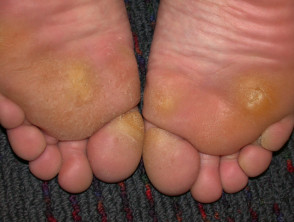
Calluses
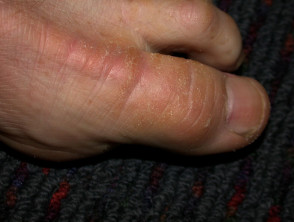
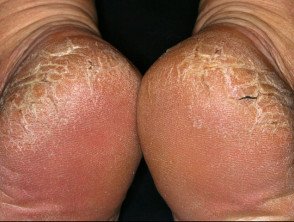
Key Strategies for Effective Treatment of Corns and Calluses
The fundamental goal when addressing corns and calluses is to effectively eliminate the constant pressure and friction that originate these areas of thickened and hardened skin.
Essential Measures to Mitigate Pressure and Friction
Prevention and relief begin with modifying the external factors that cause skin thickening:
- Always select footwear that is comfortable, preferably flat, and guarantees a precise fit to the shape of your foot.
- It is crucial to wear durable gloves, such as leather ones, during any repetitive activity that may cause friction or damage to the skin on your hands.
- Implement the use of protective pads specific for corns or cushions designed to distribute the load evenly around the affected area, thus minimizing chafing.
- Use toe separators, made from soft materials like cotton, moleskin, or memory foam, to reduce the pressure exerted between the toes.
- Consider incorporating custom-made orthopedic supports (personalized) to optimize alignment and weight distribution in your foot.
Reduction Techniques for Hyperkeratosis Thickness
Once pressure is controlled, techniques must be applied to soften and reduce the keratinized tissue:
- Remove excess skin by sanding or smoothing the surface with a file, sandpaper, or pumice stone. This process is notably facilitated if the skin has been previously softened by soaking in warm water for at least ten minutes.
- Use a specialized corn knife to carefully trim the hardened core, removing the central layer of dead tissue.
- Apply creams keratolytic or specific heel balms that incorporate potent active ingredients such as urea, salicylic acid, or lactic acid.
Advanced Management of Painful Fissures and Cracks
When deep cracks (or fissures) begin to cause significant pain, treatment focuses intensely on hydration and protection against external agents:
- Use a lubricant or reactions. thick ointment, such as pure petroleum jelly, to ensure the skin remains flexible and prevent the cracks from widening.
- Seal the most open fissures using specialized dermal adhesives like Liquid Bandage™ or medical-grade nail glue nail to prevent dirt penetration.
- If you observe any sign of secondary, immediately apply an over-the-counter antibiotic ointment topically.
- Cover the treated area with a thick adhesive dressing that offers continuous cushioning and mechanical protection while the skin heals.
If implementing these home treatments does not provide lasting relief, it is highly recommended to schedule a consultation with a podiatrist specializing in foot care to receive professional management of corns and calluses.
In persistent cases where the corn originates due to a prominent bone irregularity (for example, in the presence of bunions), surgical intervention by an orthopedic. surgeon may be necessary. This surgery seeks to remove the underlying bony protrusion and thus correct the structural cause of the problem.