

Sources and Origins of Chronic Arsenic Poisoning
Chronic arsenic poisoning arises from the progressive accumulation of the metalloid due to repeated or continuous exposure to the compound. There are three main avenues through which the human body can be affected: the industrial workplace, the inevitable natural contamination of drinking water—particularly in deep aquifers—and the historical use of certain traditional Eastern medicinal practices that incorporated arsenic.
A significant amount of occupational exposure comes from metal refining, as arsenic is a common byproduct in the extraction of ores containing elements such as nickel, copper, zinc, gold, and lead. Additionally, this element is used in glass manufacturing and in the microelectronics sector to produce specific semiconductors (gallium arsenide). In the past, arsenic was also included in patent medicines and tonics, such as the famous Fowler's Solution, and has been identified in substances historically used by athletes.
Arsenic Absorption and Distribution Pathways in the Body
Arsenic exists in various chemical configurations. The pentavalent form is absorbed very effectively through the digestive system, although it is generally considered less dangerous than its trivalent variant. On the other hand, the trivalent form has greater lipophilicity, facilitating its rapid skin absorption. However, the most lethal exposure involves the inhalation of arsine gas, classified as the most toxic route.
Once absorbed, arsenical compounds achieve rapid systemic distribution within 24 hours, concentrating in critical organs such as the liver, lungs, spleen, and intestinal mucosa, where they bind to sulfhydryl groups present in the cellular proteins proteins. It is important to note that arsenic has the capacity to structurally replace phosphorus in bone tissue, resulting in a persistence that can extend for years. Consequently, the repercussions of chronic poisoning become evident long after contact with the original source has ceased.
Clinical Manifestations: Indicators of Prolonged Arsenic Poisoning
It is crucial to understand that the signs and symptoms related to chronic arsenic poisoning usually present with a significant delay, typically appearing between two and eight weeks after exposure has begun.
Dermatological Changes Distinctive of Chronic Arsenic Exposure

Hyperpigmentation followed by hypopigmentation, resembling a raindrop pattern.
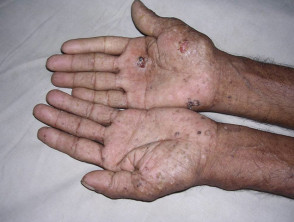
Observation of arsenical keratosis, a key finding.
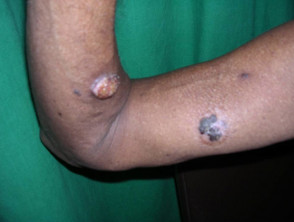
Among the most frequent clinical findings associated with arsenic poisoning are the following systemic manifestations:
- Presentation of dermal alterations, such as keratosis (abnormal thickening of the skin) and significant variations in pigmentation.
- Prominent gastrointestinal symptoms, including episodes of nausea, vomiting, and pain in the abdominal region.
- Neurological manifestations, especially peripheral neuropathy, characterized by tingling or numbness sensations in the extremities.
- Progressive vascular complications, which can evolve to the presentation of severe peripheral vascular disease.
Thoroughly evaluating the patient's environmental and occupational exposure is a fundamental step in achieving the early diagnosis of chronic arsenic poisoning. This early identification is essential to mitigate the serious long-term risks associated with this silent and cumulative exposure.
| Affected Organ | Documented Clinical Characteristics |
|---|---|
| Skin |
|
| Nails |
|
| Hair |
|
| Nervous System |
|
| Blood and Urine |
|
| Other Systemic Effects |
|
Essential Therapeutic Management for Chronic Arsenic Poisoning
To date, there is no specific pharmacological treatment that can completely reverse the effects of chronic arsenic poisoning. The primary focus and essential pillar of clinical management lie in the immediate identification of the source of exposure and, subsequently, in the total and rigorous elimination of any future contact with this highly toxic substance.
Prognosis Evaluation Following Chronic Arsenic Poisoning
Once arsenic exposure is interrupted, the recovery of clinical signs and symptoms can be a gradual process, extending from a few weeks to several months. It is essential to understand that the recovery from neurological damage, particularly peripheral neuropathy, can be exceptionally slow; in some patients, total resolution of chronic sequelae is never achieved. Therefore, maintaining constant and exhaustive medical surveillance is a crucial requirement throughout the patient's recovery period.