
¿What is Chronic Actinic Dermatitis?
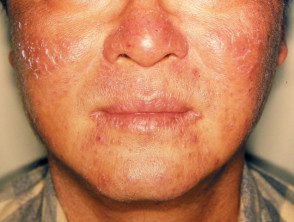
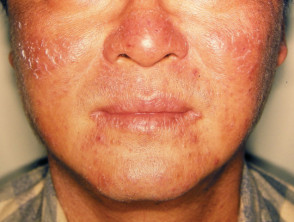
Chronic actinic dermatitis is a rare skin condition that predominantly affects men over 50 years of age. It is characterized by the appearance of dry skin with intense pruritus (itching), redness, inflammation, and thickening, mainly affecting areas constantly exposed to sunlight or, in some cases, artificial light sources.
This condition is also known as dermatitis by chronic photosensitivity, or actinic reticuloid. The latter term is derived from the findings histological in the biopsies skin biopsies, where samples resemble a pattern of reticulosis or a T-cell cutaneous lymphoma. lymphoma cutaneous of T cells.
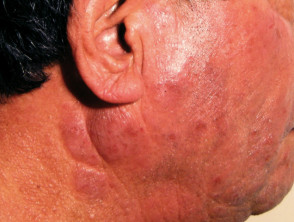
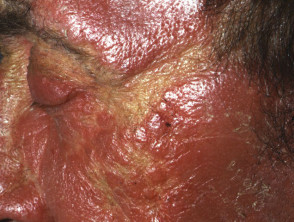
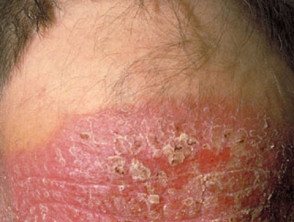
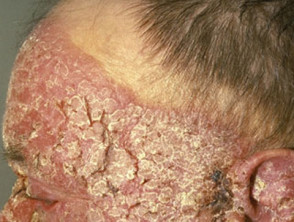
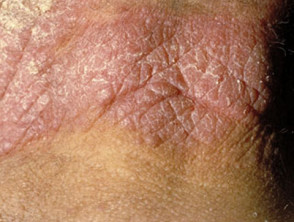
Images of Chronic Actinic Dermatitis
¿Who is most affected by Chronic Actinic Dermatitis?
Chronic actinic dermatitis tends to manifest with greater prevalence in middle-aged or elderly men.
It is common for patients who develop this condition to have a history of other previous skin ailments. These may include dermatitis atopic, allergic contact dermatitis (particularly that caused by exposure to plants such as chrysanthemum), and photocontact reactions that have persisted for many years before evolving into chronic photosensitivity. In such scenarios, it is sometimes called persistent light reaction. persistent.
Clinical Features, Diagnosis, and Treatment of Chronic Actinic Dermatitis
Clinical Manifestations of Chronic Actinic Dermatitis
The characteristic rash of chronic actinic dermatitis tends to manifest in all areas of the skin chronically exposed to sunlight. The most frequently affected areas include the face, neck, V-shaped chest area, and the back of the hands. Lesions usually appear red and inflamed, often exhibiting scaling and lichenification, which refers to thickened and hardened patches of skin. This rash is frequently pruritic (very itchy) and may, on occasion, spread to other parts of the body that are normally covered by clothing.
It is important to note that this rash can be triggered by minimal sun exposure, even as brief as 30 seconds of daylight. This condition is usually persistent throughout the year, affecting patients even on cloudy days or through window glass. Furthermore, some individuals react to artificial light sources, particularly uncovered fluorescent lamps.
Research indicates that chronic actinic dermatitis originates from abnormal cellular responses directed against UVB rays, UVA rays, and, in more severe cases, visible light.
Diagnostic Methods for Chronic Actinic Dermatitis
To confirm the diagnosis of this photosensitive condition, phototesting is commonly employed. These are specialized tests where sections of the skin are irradiated with measured and controlled amounts of light of specific wavelengths. The reactions that develop after this exposure serve to verify if there is an abnormality in the response to light.
Additionally, patch tests and photopatch tests are used. It has been observed that approximately 75% of patients diagnosed with chronic actinic dermatitis show positive reactions on the patch test to one or more allergens. Among the most identified triggers are fragrances, sunscreens, rosin, and sesquiterpene lactones (compounds found in the Asteraceae plant family).
Treatment Strategies for Chronic Actinic Dermatitis
The fundamental pillar in managing chronic actinic dermatitis is strict adherence to sun protection strategies to minimize triggering exposure. In situations where the disease presents severely, hospitalization of the patient for confinement in a dark room may be necessary to control the acute outbreak.
If an associated contact allergy is identified, it is crucial that the patient rigorously avoids the offending substance.
Topical and supportive treatment includes:
- Application of emollients and the regular use of emollients to restore the skin barrier.
- Use of oral corticosteroids topical to reduce inflammation.
- Application of lotion of tacrolimus or pimecrolimus, which are topical calcineurin inhibitors.
For more complicated or refractory cases, immunosuppressive therapies administered orally may be required. These systemic treatments include:
- Administration of systemic corticosteroids. steroids.
- Use of azathioprine.
- Cyclosporine.
In certain selected scenarios, desensitization through photochemotherapy (PUVA) or narrowband UVB, always accompanied by systemic steroid coverage, has shown successful results.
Although the condition may resolve spontaneously, which sometimes occurs after several years of evolution, for most individuals it represents a lifelong chronic condition. This demands the implementation of substantial lifestyle modifications, focusing on rigorous avoidance of sunlight and the identification and elimination of any significant contact allergen.