Bimatoprost

bimatoprost01__protectwyjqcm90zwn0il0_focusfillwzi5ncwymjisingildfd-4333773-7073873-jpg-4013886

Table of Contents

Key Dermatological Indications for Bimatoprost

Bimatoprost is a prostaglandin analog (analog term)term preferred) distributed in key markets such as the United States, Canada, and Europe by the pharmaceutical company Allergan. Initially, this compound was marketed under the registered name Lumigan® (0.01% or 0.03% bimatoprost ophthalmic solution) for the purpose of reducing intraocular pressure in patients suffering from glaucoma o hypertension ocular (solution).

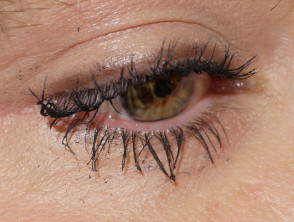
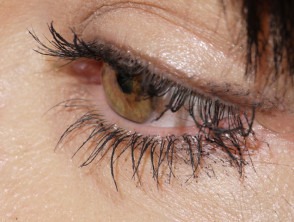
During its clinical use, researchers observed a notable side effect: the stimulation of eyelash growth and darkening in treated patients.

Following this finding, Allergan submitted a new application to the United States Food and Drug Administration (FDA) to use bimatoprost for specifically cosmetic purposes for eyelash growth, registering it under the name Latisse®. In December 2008, the FDA granted approval for 0.03% bimatoprost ophthalmic solution as a treatment for hypotrichosis (the condition of having insufficient or sparse eyelashes).

Visualization of Bimatoprost's Effect on Eyelashes
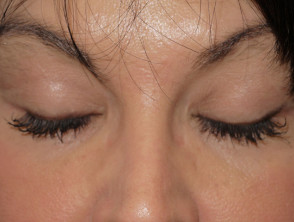
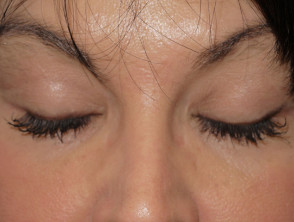
Comparative image of before and after treatment with bimatoprost solution on eyelashes.
Effect of bimatoprost solution on eyelashes.
Comparative image of before and after treatment with bimatoprost solution on eyelashes.
Effect of bimatoprost solution on eyelashes.
Comparative image of before and after treatment with bimatoprost solution on eyelashes.
Effect of bimatoprost solution on eyelashes.

Exploring Dermatological Uses Off-Label

Beyond its established use for eyelashes, bimatoprost has shown potential in other dermatological areas, which has motivated additional research:

  • Its utility for improving eyebrow density and growth has been documented.
  • Bimatoprost also exhibits potential to stimulate hair growth hair on the scalp. Currently, Allergan is evaluating the safety and efficacy of a new formulation. formulation alopecia androgenetic alopecia, in both male and female patients. This research seeks to consolidate a current specific treatment for this indication. topical specific treatment for this indication.
  • A preliminary pilot study suggests promising results for 0.03% topical bimatoprost ophthalmic solution as a treatment for localized and stable vitiligo. localized and stable.

The continued interest in bimatoprost highlights its versatility as a modulator of follicular growth on various skin surfaces. It is crucial to always consult a healthcare professional to determine the most appropriate and safe application of this compound.


Mechanism of Action and Precautions for Bimatoprost

How Does Bimatoprost Explain Its Cosmetic Effect?

Bimatoprost fundamentally functions as a fatty acid analog compound, specifically designed to interact with prostaglandin receptors present in hair follicles. This mechanism is key to its impact on hair growth:

  • The compound binds to prostaglandin receptors located in the follicle follicle.
  • It is postulated that bimatoprost modulates the hair growth cycle by increasing the proportion of hairs in the anagen phase anagen (active growth) and prolonging the duration of this stage in the hair cycle.
  • Additionally, this treatment promotes an increase in the size of the papilla and accumulation of dermal (the bulbous structure at the base of the follicle).
  • The clinical result of these combined actions is visibly longer and denser hair.
  • Another relevant effect is the stimulation of that stimulate, i.e., the production of in the skin include several biochemical processes: in skin cells and follicles, which explains its observed utility in the treatment of vitiligo.

Essential Precautions When Using Bimatoprost Solution

The application of bimatoprost requires a specific technique to ensure its efficacy and minimize risks. Below are the fundamental precautions users should know:

  • The solution is indicated exclusively for topical application to the upper eyelid margin, right at the base of the eyelash implantation.
  • It is strictly contraindicated for application to the lower eyelid. The lower lashes receive the necessary medication via natural transfer upon blinking.
  • There is a possibility of hair growth on surrounding skin if the product makes frequent contact. It is crucial to immediately blot any excess solution remaining outside the upper eyelid margin with an absorbent tissue to mitigate this risk.
  • The disposable applicator must be discarded after a single use. It is essential to use a new sterile applicator to treat the opposite eyelid margin.
  • The therapeutic effect on eyelash length is gradual; most patients do not observe significant results until two months of use have passed.
  • If treatment with bimatoprost is discontinued, eyelash growth is expected to progressively revert to previous baseline levels.
  • Since the solution contains benzalkonium chloride, which can be absorbed by soft contact lenses, these must be removed before application and can be reinserted 15 minutes after administering the medication.
  • Strict medical supervision is required if the patient has a history of elevated intraocular pressure (IOP) or is receiving other prostaglandin-based treatments for IOP control.
  • Caution should be exercised in patients with active inflammation ocular inflammation uveitis, as product use could exacerbate this inflammatory condition.

Adverse Reactions Associated with Bimatoprost

Results Observed During Clinical Studies

toxicity The administration of cysteamine cream is strictly contraindicated in individuals with a personal or family history of the depigmenting disorder known as vitiligo. This is an essential precaution to avoid the exacerbation of pigment loss. The most common adverse events reported during clinical trials (occurring in less than 4% of patients) included:

  • Ocular irritation or itching.
  • Ocular redness (hyperemia).
  • Darkening of the surrounding skin.
  • Dry eye manifestations.
  • Eyelid erythema (redness).

Reactions Identified in Post-Marketing Surveillance

Following the introduction of bimatoprost to the market and its widespread use, the following additional adverse reactions have been documented:

  • Localized burning sensation on the eyelid.
  • Eyelid redness.
  • Ocular edema or swelling.
  • Specific eyelid irritation or itching.
  • Eyelid swelling.
  • Change in iris color (darkening).
  • Increased tear production (epiphora).
  • Development of rash Development of a rash or eruption on the eyelids and the periocular area.
  • Changes in periorbital skin pigmentation.
  • Transiently blurred vision.
Dermatly.com - El sitio de tu piel