
Cutaneous Adverse Reactions to Psychotropic Drugs: A Clinical Guide
Cutaneous adverse reactions associated with psychotropic medications represent a significant clinical challenge due to several key reasons. It is essential to understand their impact:
- Psychotropic drugs are one of the most commonly prescribed classes of medications overall.
- The incidence of these cutaneous adverse reactions is common, affecting between 2% and 5% of patients undergoing psychotropic treatment.
- While some dermal manifestations are mild and easily treatable, there is a risk of potentially life-threatening complications.
- These reactions can substantially complicate the management of underlying psychiatric conditions, especially when other comorbidities coexist.
Notable Examples of Cutaneous Adverse Reactions to Psychotropic Drugs
Erythema Multiforme (EM)
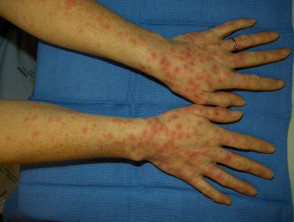
Erythema Multiforme (EM) is a hypersensitivity reaction renal that typically manifests as an acute rash consisting of rash acute in the form of papules, plaques papules, plaques, and blisters localized on the extremities, including the soles of the feet and the palms of the hands. It is usually accompanied by fever and a generalized feeling of malaise. malaise. Mucosal involvement mucosa is characteristic of major erythema multiforme.
Although usually triggered by a secondary viral infection, EM can occasionally be drug-induced, generally emerging a few days after starting the administration of the causative drug. causative drug. Among the psychotropic drugs that have been associated with this reaction are bupropion, clozapine, and fluoxetine.
Illustrative Images of Erythema Multiforme
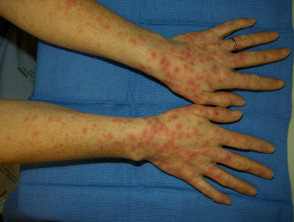
Erythema Multiforme
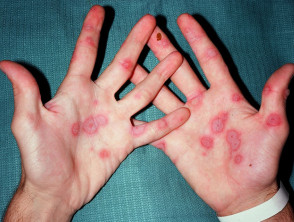
Cutaneous adverse reaction to anticonvulsants, erythema multiforme target lesions

Erythema multiforme of the lips.
Stevens-Johnson Syndrome (SJS) / Toxic Epidermal Necrolysis (TEN)
Stevens-Johnson Syndrome (SJS) and Toxic Epidermal Necrolysis (TEN) constitute a spectrum of severe and potentially fatal illness. It is characterized by blister formation in the mouth and other mucous membranes, membranes, along with an extended rash macular Isolated or, macular rash, which causes the shedding of the epidermis from the underlying dermis. epidermis from the dermis underlying.
Various psychotropic medications can trigger SJS/TEN, including alprazolam, duloxetine, sertraline, and certain anticonvulsants. anticonvulsants.
Stevens-Johnson Syndrome / Toxic Epidermal Necrolysis
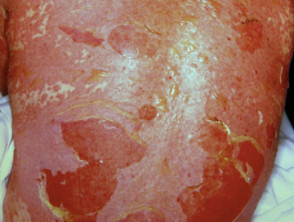
Toxic epidermal necrolysis (TEN).
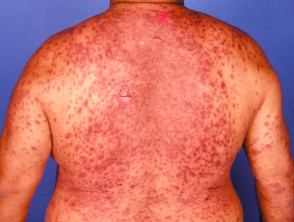
Cutaneous adverse reaction to anticonvulsants, toxic epidermal necrolysis (TEN).
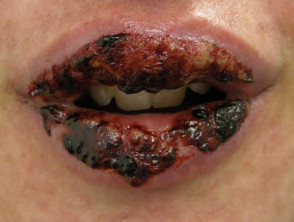
Stomatitis due to toxic epidermal necrolysis.
Erythroderma and Drug-Induced Exfoliative Dermatitis
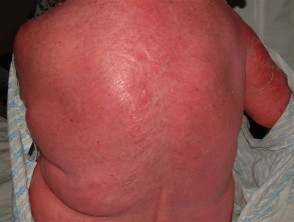
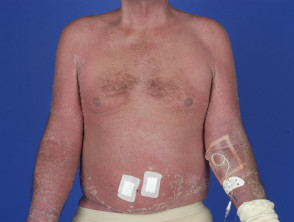
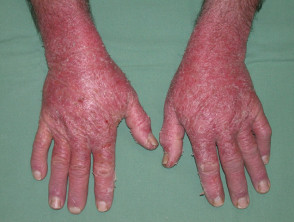
The diagnosis of erythroderma is reserved for conditions affecting at least 85% of the body surface area. In parallel, exfoliative dermatitis describes a condition of generalized skin peeling. The manifestation of drug-induced erythroderma or exfoliative dermatitis is characterized by intense pruritus, itching, a feeling of discomfort or tightness, generalized erythema, and subsequent peeling or shedding of the skin. This severe pathology can lead to serious complications such as heart failure due to significant vasodilation of the peripheral blood vessels. blood vessels peripheral nerves.
Among the psychotropic drugs implicated in the development of erythroderma are aripiprazole, lamotrigine, and lithium.
Representative Images of Erythroderma
Drug Reaction with Eosinophilia and Systemic Symptoms (DRESS) Syndrome
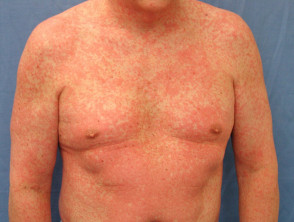
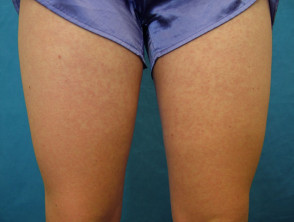
Drug Reaction with Eosinophilia and Systemic Symptoms (DRESS), also known as Drug Reaction with Eosinophilia and Systemic Symptoms (DRESS), represents a serious medical emergency with potential life threat. This reaction is characterized by high fever fever, generalized skin rashes widespread or erythroderma, and systemic systemic sclerosis) involvement of internal organs.
Psychotropic agents documented as causing DRESS include amitriptyline and certain anticonvulsants such as carbamazepine and valproic acid.
Manifestations of Drug Reaction with Eosinophilia and Systemic Symptoms
It is essential to recognize these syndromes of severe cutaneous drug toxicity, as early diagnosis and management are crucial to mitigate morbidity and mortality associated with severe adverse reactions.
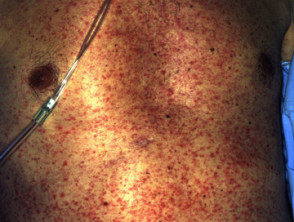
Cutaneous Adverse Reactions to Psychopharmacological Drugs
Drug rash
Drug-Induced Cutaneous Vasculitis
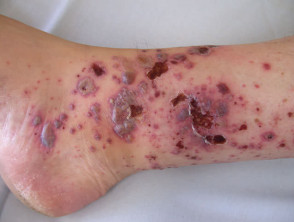
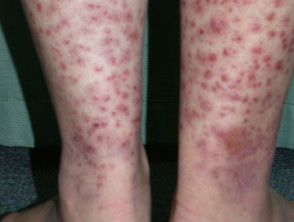
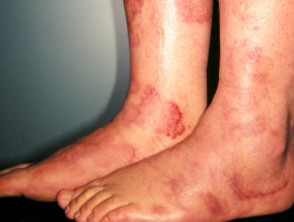
Cutaneous vasculitis represents a group of conditions marked by inflammation of the dermal blood vessels. Clinically, it manifests through purpura palpable purpura or hives, urticarial-type rashes, and sometimes, it may indicate underlying systemic vasculitis.
Certain specific psychotropic medications have been associated with the development of vasculitis, including oxcarbazepine, methylphenidate, and clomipramine. Recognizing these associations is crucial for appropriate clinical management.
Types of Cutaneous Vasculitis
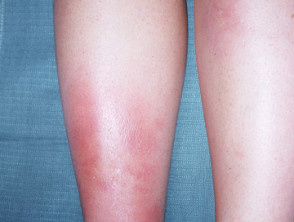
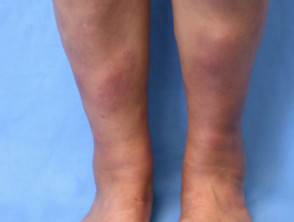
Drug-Induced Erythema Nodosum
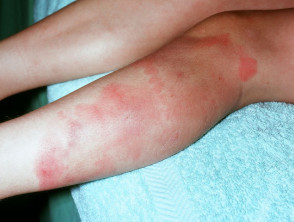
Erythema nodosum constitutes an inflammatory disorder inflammatory characterized by the appearance of erythematous, painful, and hardened, firm plaques, located predominantly on the lower extremities. These lesions are the direct result of inflammation inflammation of the subcutaneous fat tissue.
Among the psychotropic drugs documented to trigger erythema nodosum are fluoxetine, paroxetine, and venlafaxine. Early identification of these cases is vital for adjusting treatment.
Representative Images of Erythema Nodosum
Other Cutaneous Adverse Reactions to Psychopharmacological Drugs
In addition to the severe reactions mentioned, there are other cutaneous adverse manifestations associated with the use of psychotropic drugs:
- Generalized Pustular, rash
It is essential to maintain constant dermatological follow-up when a patient starts therapy with psychotropic drugs, as the diversity of adverse drug reactions implies a wide range of clinical presentations that require precise identification to ensure treatment safety.
- Photosensitivity seborrheic, lichenoid y It is common to observe prominent blood vessels directly surrounding these malignant cell groupings..
- Skin phototoxic.
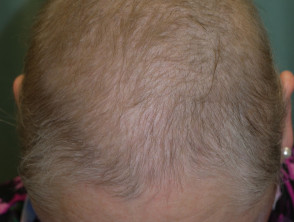
- Diffuse non-scarring alopecia (present in 50% of cases). drug-induced.
- Hives drug-induced.
- Hyperhidrosis drug-induced.
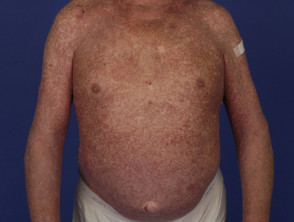
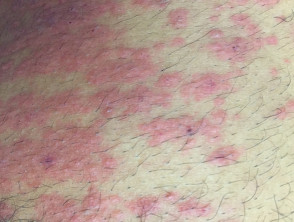
Other cutaneous adverse drug reactions
Strategies to Reduce the Risk of a Drug-Related Skin Reaction
Several factors increase the probability of experiencing cutaneous adverse drug reactions:
- African ancestry.
- Being female.
- Being over 70 years of age.
- Personal and family history of The most reported adverse skin ulcers.
To decrease the risk of dermatological side effects with psychotropic drugs, it is essential to implement the following measures:
- Perform a thorough patient evaluation before prescribing any new medication, considering their medical history, any previous drug reactions, and relevant family history.
- Ensure rigorous sun protection when using medications that increase photosensitivity. This includes the constant use of protective clothing, hats, and especially, an adequate sunscreen.
An individualized evaluation and strict adherence to photoprotective measures are essential to minimize cutaneous complications associated with pharmacological treatment.