Understanding Acquired Blaschoid Dermatitis
Acquired blaschoid dermatitis is a rare skin disorder whose exact etiology is still unknown. It was first identified in 1990 by Grosshans and Marot in the Bordeaux region of France.
This condition is also recognized under the name of blaschitis or idiopathic dermatitis following Blaschko's line. Some experts suggest it might represent the adult-onset manifestation of lichen striatus.
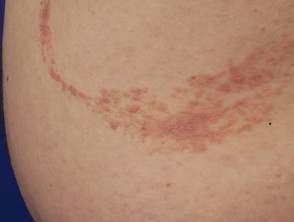
Representative Images of Skin Patterns
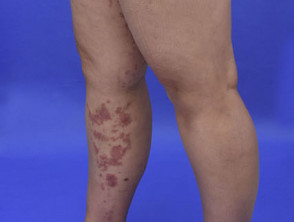
Distinctive Clinical Features of Blaschoid Dermatitis
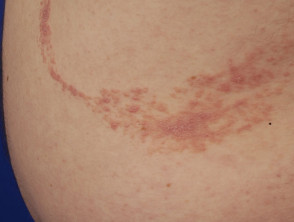
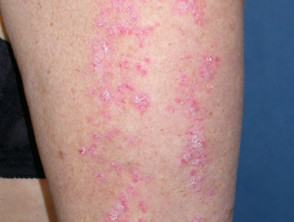
This condition manifests as an inflammatory skin condition, inflammatory presenting an appearance similar to dermatitis or eczema, eczema, characterized by lesions dry, irritated, and reddened lesions. The term «acquired» emphasizes that it is not present from birth.
A fundamental feature of acquired blaschoid dermatitis is its unilateral, unilateral nature, affecting exclusively one side of the body. Furthermore, as its name indicates, the skin manifestations appear strictly following Blaschko's Lines. Blaschko's Lines.
Although the lesions may improve on their own, they tend to relapse over time, with recurrence often occurring during periods of high tension or stress.
Diagnostic Process for Acquired Blaschoid Dermatitis
The diagnosis of acquired blaschoid dermatitis is primarily established based on clinical evaluation, due to its characteristic pattern on the skin.
Occasionally, a skin biopsy biopsy is necessary to definitively differentiate it from other pathologies that may also present following Blaschko's lines. The histopathological examination histopathological level typically reveals a pattern of eczematous dermatitis spongiosis.
Treatment Options for Blaschoid Dermatitis
In mild cases of blaschoid dermatitis, specific treatment may not be required. Associated dryness is usually managed effectively through the regular use of an emollient. or a soothing.
Generally, topical creams steroid creams are ineffective in controlling this condition. However, there are case reports documenting the effectiveness of systemic steroid therapy systemic sclerosis) in selected patients.
Understanding the clinical characteristics and diagnostic process is crucial for the proper management of this condition. If you experience persistent skin lesions following unusual patterns, it is essential to consult a dermatologist to confirm the diagnosis and determine the most appropriate therapeutic course of action.