
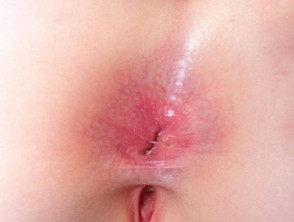
Understanding Pinworms (Enterobius vermicularis): Causes, Symptoms, and Spread
Pinworms, scientifically known as *Enterobius vermicularis*, are small parasitic nematodes that reside in the lower digestive tract of humans. They are commonly called threadworms, and the condition they cause is known as enterobiasis or pinworm infection.
Pinworm infestation is notably common, especially among the school-aged child population. In certain communities, up to two-thirds of children between 5 and 10 years old may be affected.
Common Symptoms of Pinworm Infection
The symptom the cardinal symptom generated by the presence of pinworms is intense itching around the anus, a symptomatic discomfort also called pruritus anal itching. This irritation is significantly exacerbated during the night, potentially seriously disturbing the affected person's sleep pattern.
This pruritus is an inflammatory reaction inflammatory generated by the migration of the adult worm and the subsequent laying of eggs on the perianal skin.
On occasion, the adult worms develop abnormal behavior, migrating toward the or vagina instead of returning to the intestine. This migration can trigger vaginitis characterized by itching and the presence of secretion. mucus or even blood-tinged discharge.
Constant scratching, caused by the irritation, can trigger a secondary bacterial infection, such as impetigo, which manifests with the formation of crusts and oozing.
Although extremely rare, severe infestations can manifest with gastrointestinal symptoms such as abdominal pain, nausea, or vomiting.
Why Does Pinworm Itching Intensify at Night?
The reason behind the increase in itching during the night lies in the parasite's life cycle. It is during the night that the adult female worm leaves the anus to deposit her eggs on the surrounding skin. Once exposed to air, these microscopic eggs microscopic begin to mature, becoming infectious within a matter of hours. Outside the host, they can remain viable for up to two weeks.
Pinworm Transmission Mechanisms
The primary transmission of threadworms occurs through the ingestion of eggs. When an infected individual scratches the anal area, the eggs easily adhere under the fingernails. Subsequently, when handling objects, clothing, or surfaces, these eggs can be deposited in the environment.
Uninfected people can contract pinworms inadvertently by coming into contact with these eggs and ingesting them. Furthermore, already parasitized individuals can reinfect themselves (self-infection) by putting their hands in their mouths.
Therefore, other cohabitants and close family members face an elevated risk of contracting the infestation if hygienic measures are not strict.
Diagnostic Confirmation for Pinworm Infection
In some cases, the adult worms can be identified visually. They appear as thin, white, twisted filaments, measuring approximately between 1 and 2 cm in length. It is recommended to inspect the anal area during the night or examine the surfaces of the stool.
The standard diagnostic method is the "tape test" (or Graham test). This procedure involves pressing a strip of clear cellophane against the anal fold, ideally performed at night, when eggs are most abundant. The tape collects the eggs, whose presence is then verified by examining the sample under the microscope.
Pinworms
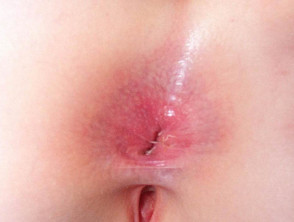
Pinworms
Understanding these life cycles and modes of transmission is crucial for implementing effective preventive measures against pinworms, especially in environments where many children live together. Meticulous hand and surface hygiene is the primary defense against this common infection.
What is the Treatment for Pinworm Infection?
To control and prevent the spread of pinworm infection, maintaining rigorous hygiene practices is essential. This includes frequent hand washing with soap and water, keeping nails short, showering or bathing daily, and avoiding scratching the anal area to prevent spreading the eggs.
Mild infections can sometimes resolve spontaneously. Nevertheless, the standard treatment for pinworms usually involves antiparasitic medications such as albendazole or mebendazole. A single dose demonstrates a high rate of curative success. To ensure complete elimination and prevent the It is essential to remember that HNC exhibits a considerable rate of of infection, a second dose is recommended two weeks after the initial treatment. After each pharmacological dose, it is crucial to change bed linens and vacuum the bedroom thoroughly.
Since reinfection is common, it is advisable to treat all members of the household simultaneously. This coordinated strategy helps prevent recurrence and stops the chain of contagion to other people.